
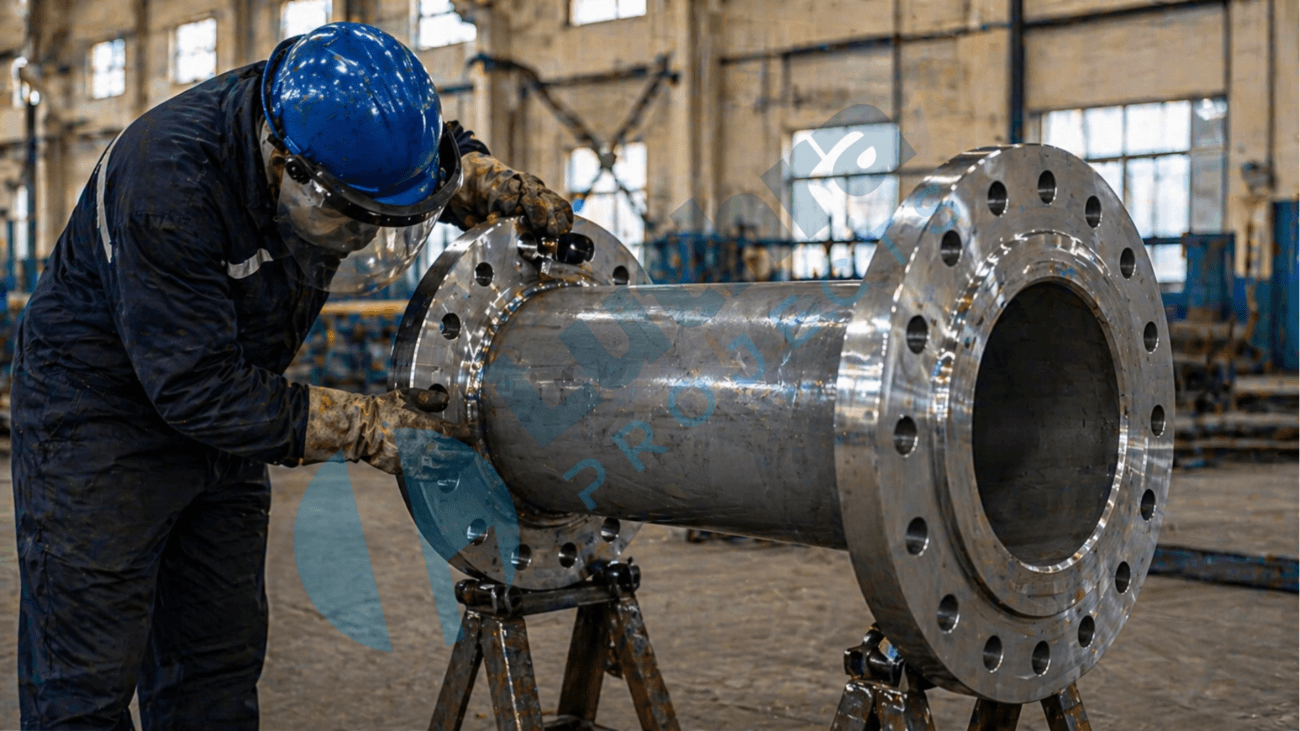
In modern industrial construction, spool fabrication plays a critical role in ensuring piping systems are installed quickly, safely, and with maximum precision. Whether it is for oil and gas plants, chemical industries, power plants, water treatment facilities, or manufacturing units, spool fabrication helps streamline operations and reduce costly onsite delays.
The process of spool fabrication involves the pre-assembly of piping components such as pipes, flanges, elbows, tees, reducers, and valves into manageable sections known as pipe spools. These sections are fabricated in a controlled workshop environment before being transported to the site for final installation. This makes spool fabrication a preferred solution for industries that demand speed, accuracy, and reliability.
Professional spool fabrication significantly improves construction efficiency by minimizing field welding, reducing labor costs, and ensuring quality control. Since fabrication happens offsite, it also improves workplace safety and project scheduling. Companies looking for reliable industrial piping systems depend heavily on expert spool fabrication services.
At Luthra Projects, advanced spool fabrication solutions are delivered with precision engineering, high-quality materials, and strict compliance with industry standards. Their expertise ensures every spool meets exact specifications for performance and durability.
What is Spool Fabrication?
Spool fabrication refers to the process of assembling individual piping components into prefabricated sections that are ready for installation. These assemblies are called pipe spools and are designed based on engineering drawings and project requirements. Every step of spool fabrication is performed with precision to ensure seamless integration at the project site.
A typical spool fabrication process includes cutting pipes to exact lengths, beveling edges, welding joints, fitting flanges, attaching valves, and conducting inspections. Once completed, the spool is tested, marked, and prepared for delivery. This approach makes spool fabrication highly efficient for complex industrial systems.
The main advantage of spool fabrication is that it shifts labor-intensive work from the site to the fabrication shop. Controlled conditions allow better supervision, consistent welding quality, and faster turnaround times. This is why industries across sectors prioritize professional spool fabrication for mission-critical operations.
Reliable spool fabrication also ensures compliance with project specifications and industry regulations. It reduces rework and installation errors, making it a cost-effective investment for long-term operational success.
Importance of Spool Fabrication in Industrial Projects
The importance of spool fabrication in industrial projects cannot be overstated. It directly impacts the speed, cost, and quality of plant construction. By using pre-engineered pipe spools, contractors can significantly reduce installation time and avoid unexpected onsite challenges.
One major benefit of spool fabrication is improved productivity. Since fabrication occurs in parallel with site preparation, project timelines become shorter and more efficient. This parallel workflow gives industries a major competitive advantage during plant construction and maintenance.
Another key advantage of spool fabrication is enhanced safety. Less onsite cutting, welding, and fitting means fewer hazards for workers. Controlled fabrication shop environments also reduce risks associated with weather conditions and site congestion.
High-quality spool fabrication also improves system reliability. Precision welding, dimensional accuracy, and proper inspection ensure the piping network performs efficiently under pressure, temperature, and demanding operational conditions.
Industries That Rely on Spool Fabrication
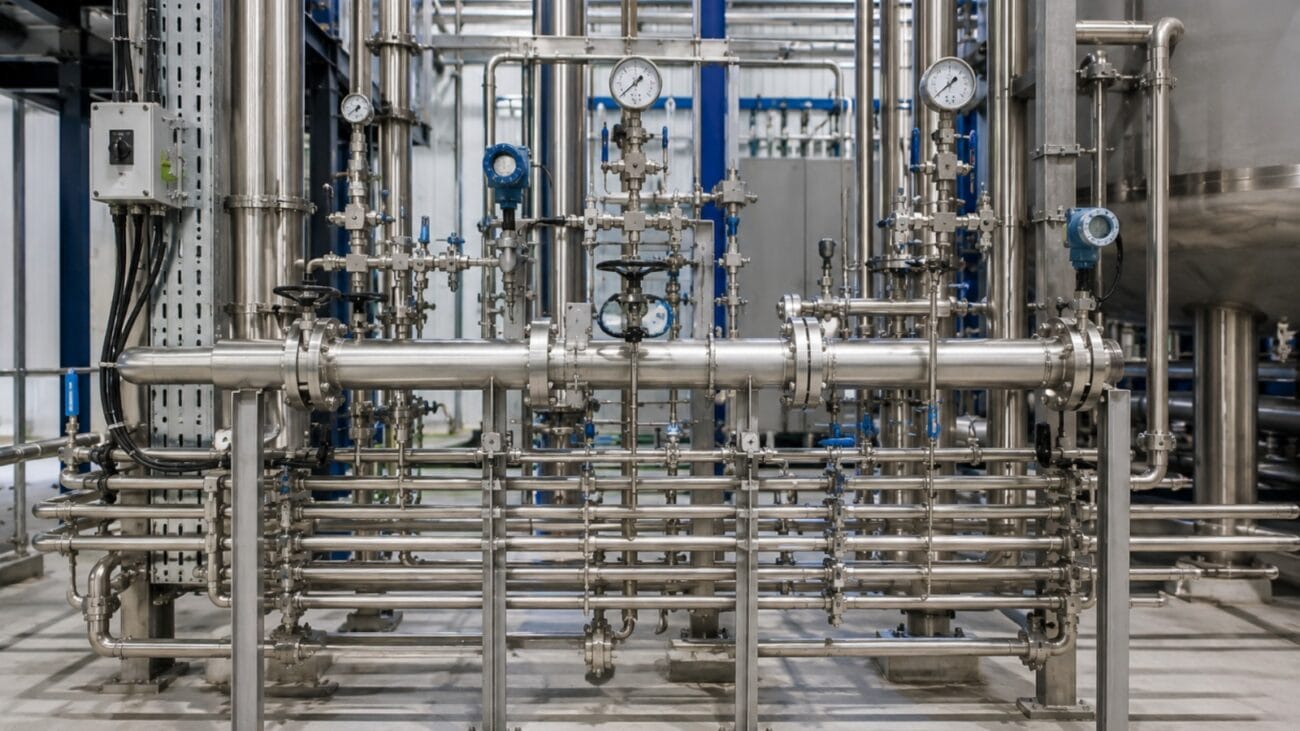
Many industries depend heavily on spool fabrication because their operations require highly reliable piping systems. The oil and gas industry is one of the biggest users of spool fabrication, where pipelines must handle high pressure, corrosive materials, and extreme temperatures.
Power plants also require advanced spool fabrication for steam lines, cooling systems, and process piping. Since downtime can be extremely expensive, accurate spool fabrication ensures smooth installation and uninterrupted operations.
Chemical processing plants rely on spool fabrication for transporting hazardous and reactive substances. Precision and leak-proof connections are essential, making professional spool fabrication a critical safety requirement.
Water treatment plants, pharmaceutical industries, food processing units, and manufacturing facilities all benefit from efficient spool fabrication. In every sector, the goal remains the same—safe, fast, and high-performance piping solutions.
Step-by-Step Process of Spool Fabrication
The first step in spool fabrication is reviewing engineering drawings and specifications. Fabricators analyze dimensions, material requirements, welding procedures, and project standards before starting production. Accurate planning is the foundation of successful spool fabrication.
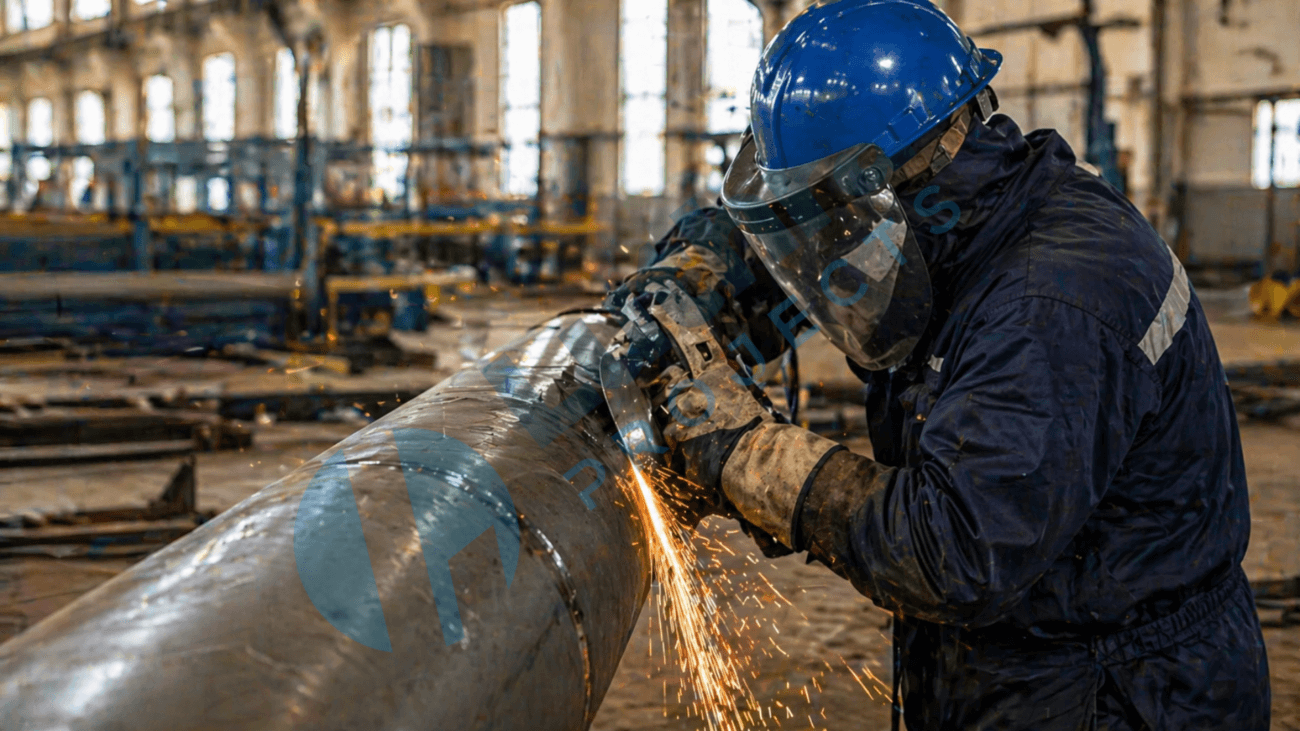
Next comes material preparation. Pipes are cut, beveled, and prepared according to the design requirements. Components like flanges, elbows, reducers, and tees are inspected before assembly begins. Precision at this stage is vital for effective spool fabrication.
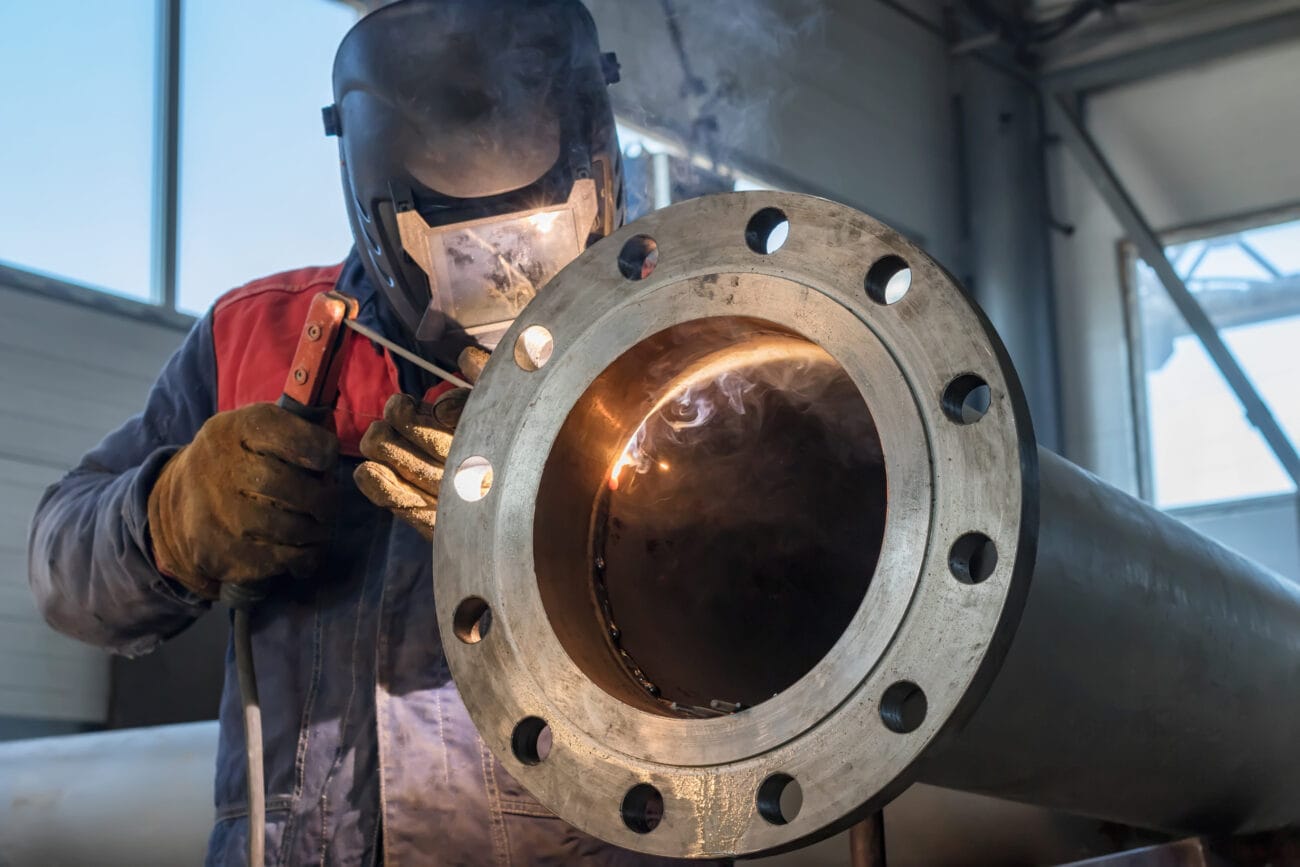
The welding and fitting stage is where the actual spool fabrication takes shape. Skilled welders assemble components using qualified welding procedures to ensure structural integrity and leak-proof performance. This stage demands strict quality monitoring.
Finally, the completed spool undergoes inspection, testing, and surface finishing. Non-destructive testing, hydro testing, and dimensional verification confirm that the spool fabrication meets all project and safety standards before dispatch.
Quality Control in Spool Fabrication
Quality control is one of the most important aspects of spool fabrication. Since piping systems often handle critical fluids and operate under high pressure, even small errors can lead to major operational failures.
Professional spool fabrication facilities use strict inspection procedures to ensure every weld and fitting meets international standards. Visual inspections, radiographic testing, ultrasonic testing, and hydrostatic testing are commonly used methods.
Dimensional accuracy is another essential part of spool fabrication quality control. Even minor deviations can cause alignment issues during installation. This is why precise measurement and verification are mandatory throughout the fabrication process.
At Luthra Projects, quality-driven spool fabrication ensures every spool is delivered with complete reliability. From raw material inspection to final testing, each stage follows strict protocols for maximum performance and durability.
Benefits of Professional Spool Fabrication Services
Choosing professional spool fabrication services offers significant benefits for industrial projects. One of the biggest advantages is reduced installation time. Since pipe spools arrive ready for assembly, onsite work becomes faster and more efficient.
Another major benefit of spool fabrication is cost savings. Reduced field labor, fewer delays, and minimal rework contribute to lower overall project expenses. This makes professional spool fabrication a smart investment for both small and large-scale projects.
Improved quality is another reason industries prioritize expert spool fabrication. Controlled workshop conditions allow better welding consistency, proper equipment usage, and detailed inspections that are difficult to achieve onsite.
Professional spool fabrication also ensures better project planning. Accurate scheduling, faster delivery, and reduced dependency on site conditions make construction management more predictable and successful.
Why Choose Luthra Projects for Spool Fabrication
Luthra Projects is a trusted name in delivering high-quality spool fabrication solutions for industrial clients across multiple sectors. Their expertise in engineering, fabrication, and project execution ensures reliable results for every project.
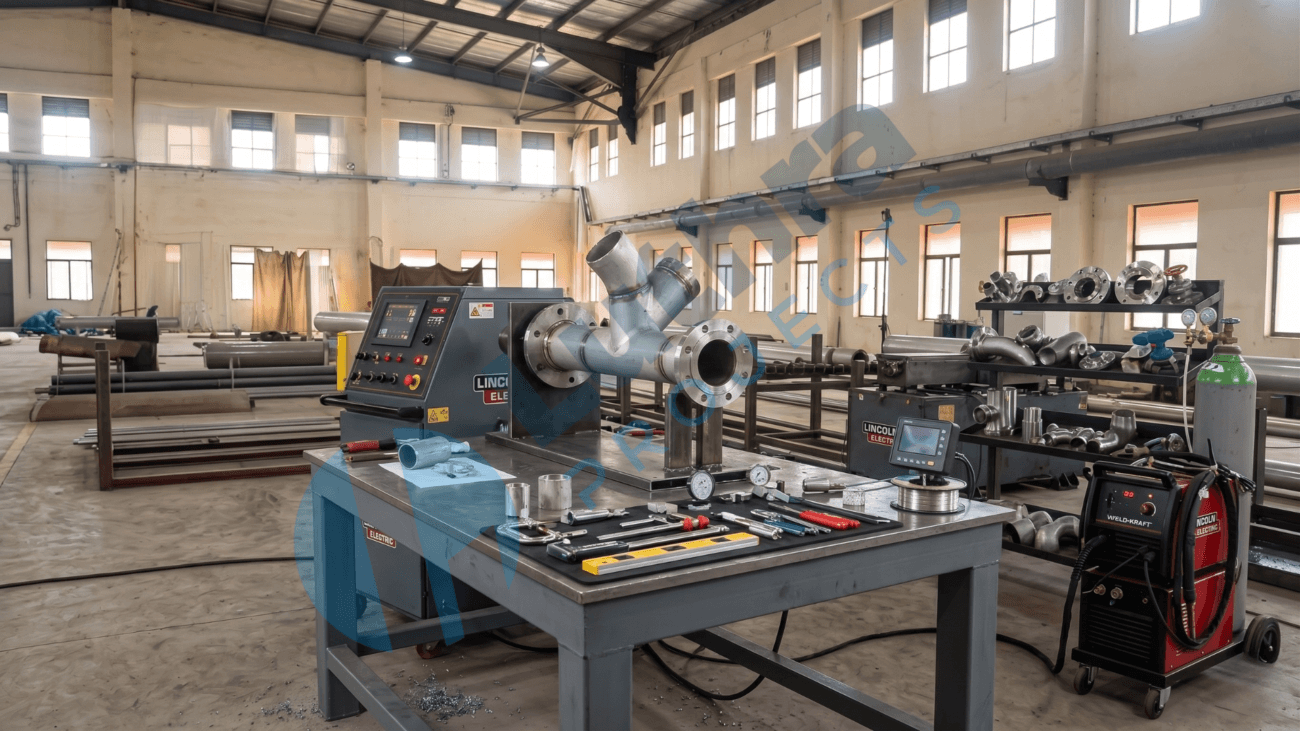
Their advanced workshop facilities are equipped with modern machinery for cutting, welding, testing, and finishing. This enables precise and efficient spool fabrication that meets strict industrial requirements and international standards.
Skilled engineers and certified welders bring years of experience to every spool fabrication project. Their focus on technical accuracy, quality assurance, and timely delivery ensures complete customer satisfaction.
From concept to completion, Luthra Projects provides end-to-end spool fabrication support tailored to project-specific needs. Their commitment to excellence makes them a preferred partner for industrial piping solutions.
Future Trends in Spool Fabrication
Technology is transforming the future of spool fabrication with automation, digital engineering, and advanced inspection methods. Industries are increasingly adopting smart fabrication practices to improve speed and reduce human error.
3D modeling and Building Information Modeling (BIM) are becoming standard tools in spool fabrication planning. These technologies improve visualization, clash detection, and dimensional accuracy before actual fabrication begins.
Robotic welding is also changing spool fabrication by increasing precision and consistency. Automated systems help improve productivity while maintaining strict quality standards for critical applications.
Sustainability is another emerging trend in spool fabrication. Efficient material usage, reduced waste, and energy-saving fabrication processes are becoming priorities for industries focused on environmental responsibility.
FAQs About Spool Fabrication
What is spool fabrication used for?
Spool fabrication is used to create pre-assembled piping sections for industrial systems in sectors like oil and gas, power plants, chemical processing, and water treatment. It improves installation speed and quality.
Why is spool fabrication important?
Spool fabrication is important because it reduces onsite labor, improves welding quality, shortens project timelines, and ensures accurate piping system installation with fewer errors.
What materials are used in spool fabrication?
Common materials used in spool fabrication include carbon steel, stainless steel, alloy steel, duplex steel, and special corrosion-resistant materials depending on project requirements.
How does spool fabrication reduce project costs?
By moving fabrication work offsite, spool fabrication reduces labor costs, minimizes delays, decreases rework, and improves scheduling efficiency, leading to lower overall project expenses.
Why should I choose professional spool fabrication services?
Professional spool fabrication ensures high-quality welding, accurate dimensions, compliance with standards, and reliable long-term performance for industrial piping systems.
Conclusion
In today’s industrial landscape, spool fabrication is essential for delivering safe, efficient, and high-performance piping systems. From reducing installation time to improving quality control, the benefits of professional spool fabrication are substantial across every major industry.
Whether for oil and gas, power generation, manufacturing, or chemical processing, dependable spool fabrication ensures operational reliability and project success. It simplifies complex piping installations while maintaining strict compliance with engineering standards.
Partnering with experts like Luthra Projects ensures every spool fabrication requirement is handled with precision, expertise, and commitment to excellence. Their advanced capabilities make them a reliable choice for industrial piping solutions.
For businesses seeking durable and efficient piping systems, investing in professional spool fabrication is not just a choice—it is a strategic advantage for long-term industrial success.

Leave a comment