
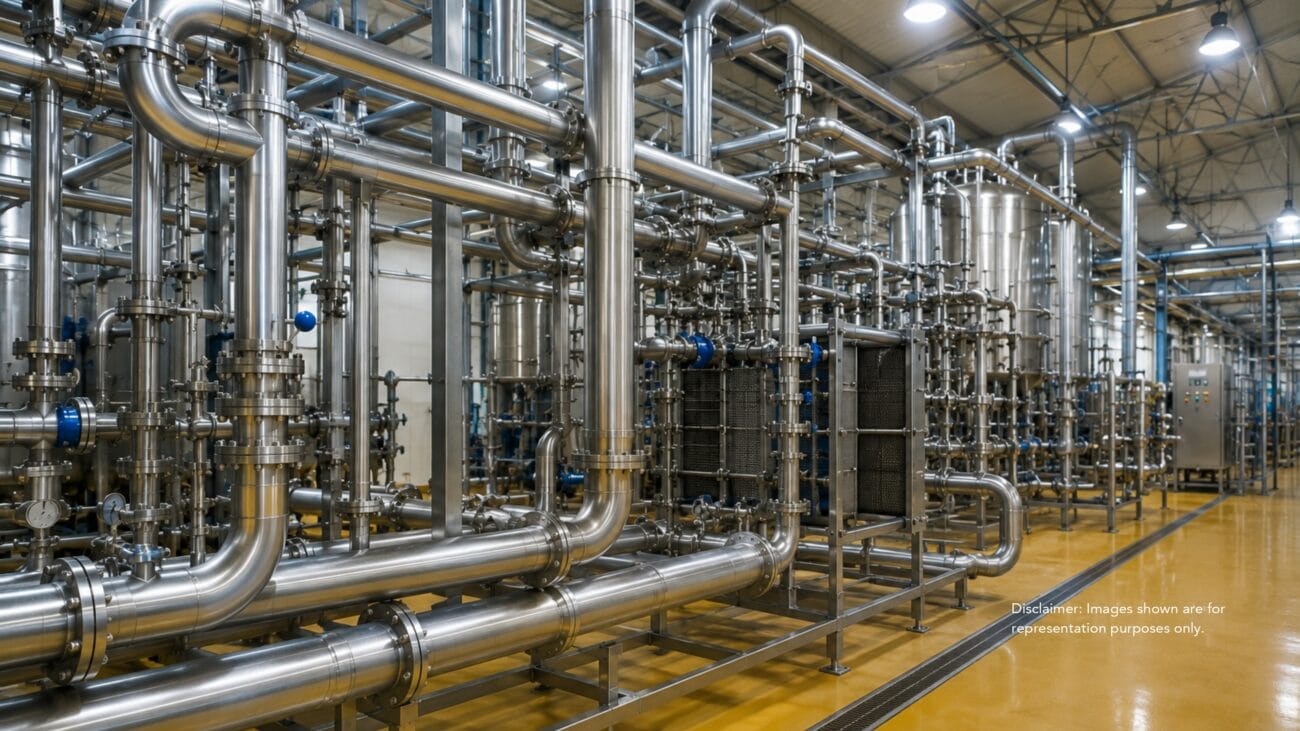
Understanding High-Pressure Piping Spool Fabrication
High-pressure piping spool fabrication is a specialized industrial process used to manufacture pre-assembled sections of piping systems designed to transport fluids, gases, steam, and other process media under high operating pressures. These fabricated spools are produced according to detailed engineering drawings and project specifications before being transported to the installation site. This approach helps industrial projects achieve greater accuracy, improved installation efficiency, and better control over fabrication quality.
In India, high-pressure piping systems are widely required across oil and gas facilities, refineries, petrochemical plants, power generation facilities, chemical industries, process plants, and other heavy engineering applications. Because these systems operate under demanding conditions, every stage of spool fabrication requires careful planning, dimensional accuracy, qualified welding procedures, and appropriate inspection practices. Professional fabrication helps ensure that individual spool sections are prepared correctly before they reach the construction site.
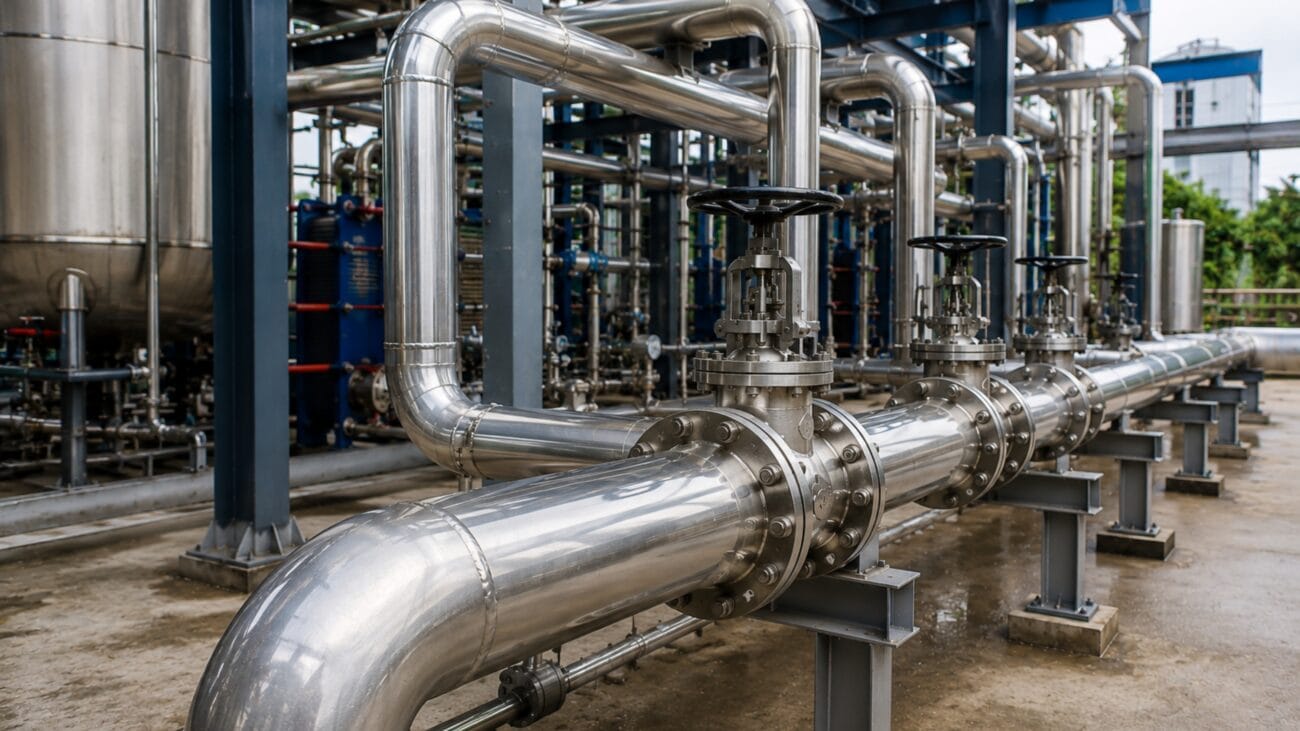
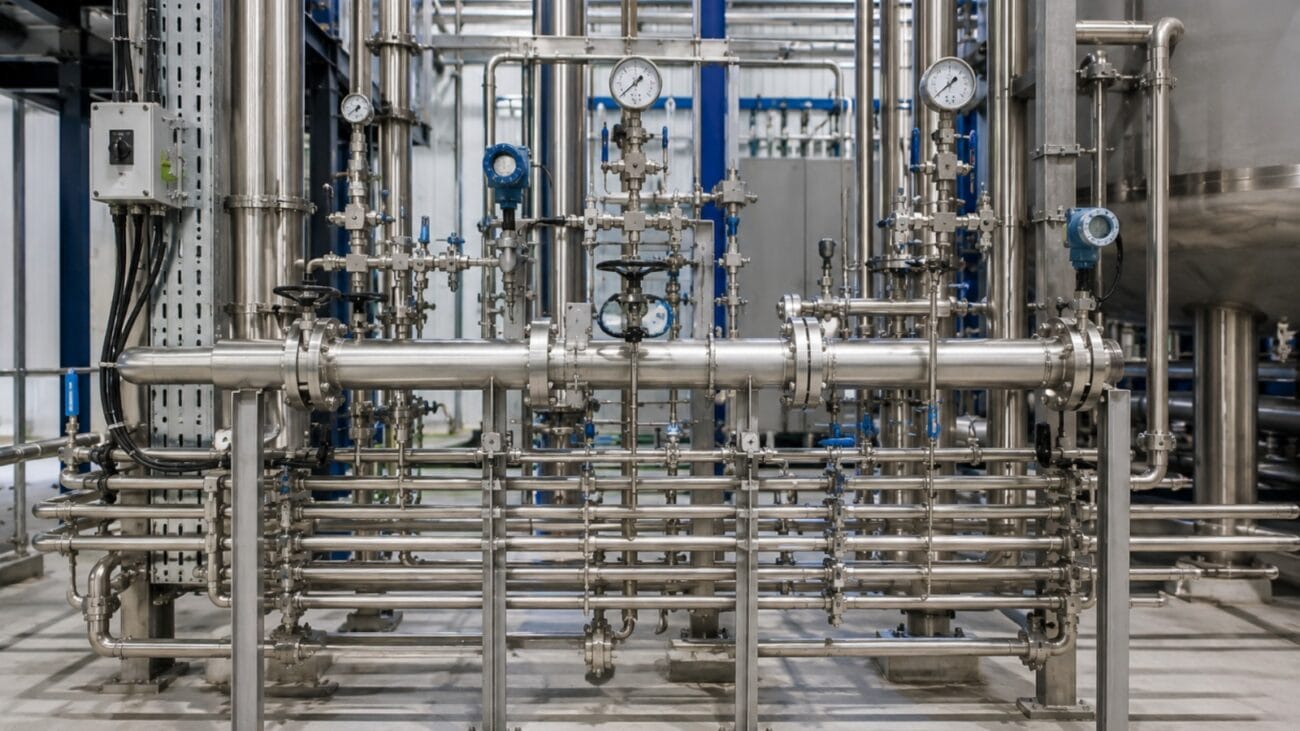
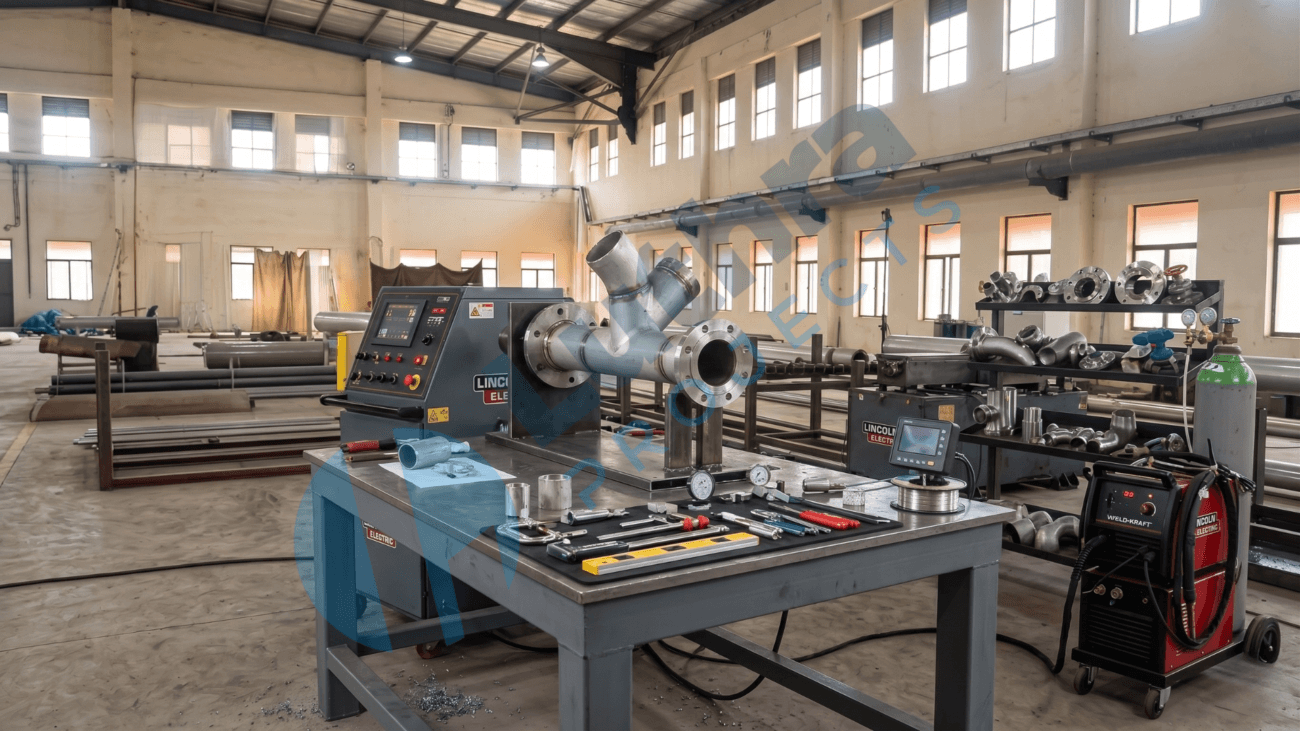
A piping spool generally consists of pipes, elbows, tees, reducers, flanges, branches, supports, and other components joined according to approved drawings. During high-pressure piping spool fabrication, these components must be accurately positioned and welded to create a finished spool that can be installed efficiently. Proper fabrication also reduces the amount of field modification required during project execution.
Why High-Pressure Piping Spool Fabrication Requires Precision?
High-pressure piping systems cannot rely on approximate measurements or inconsistent fabrication practices. Small dimensional errors can create difficulties during installation, alignment, testing, and commissioning. For this reason, professional fabrication facilities use controlled procedures for material identification, cutting, beveling, fit-up, welding, inspection, and dimensional verification. Maintaining consistency throughout these stages contributes to the overall reliability of the piping system.
Material selection is another important consideration in high-pressure applications. Depending on the project requirements, piping systems may use carbon steel, stainless steel, alloy steel, or other specialized materials. Each material can require different fabrication and welding procedures. Proper material traceability helps ensure that the specified material is used for the appropriate spool and that project documentation remains organized throughout production.
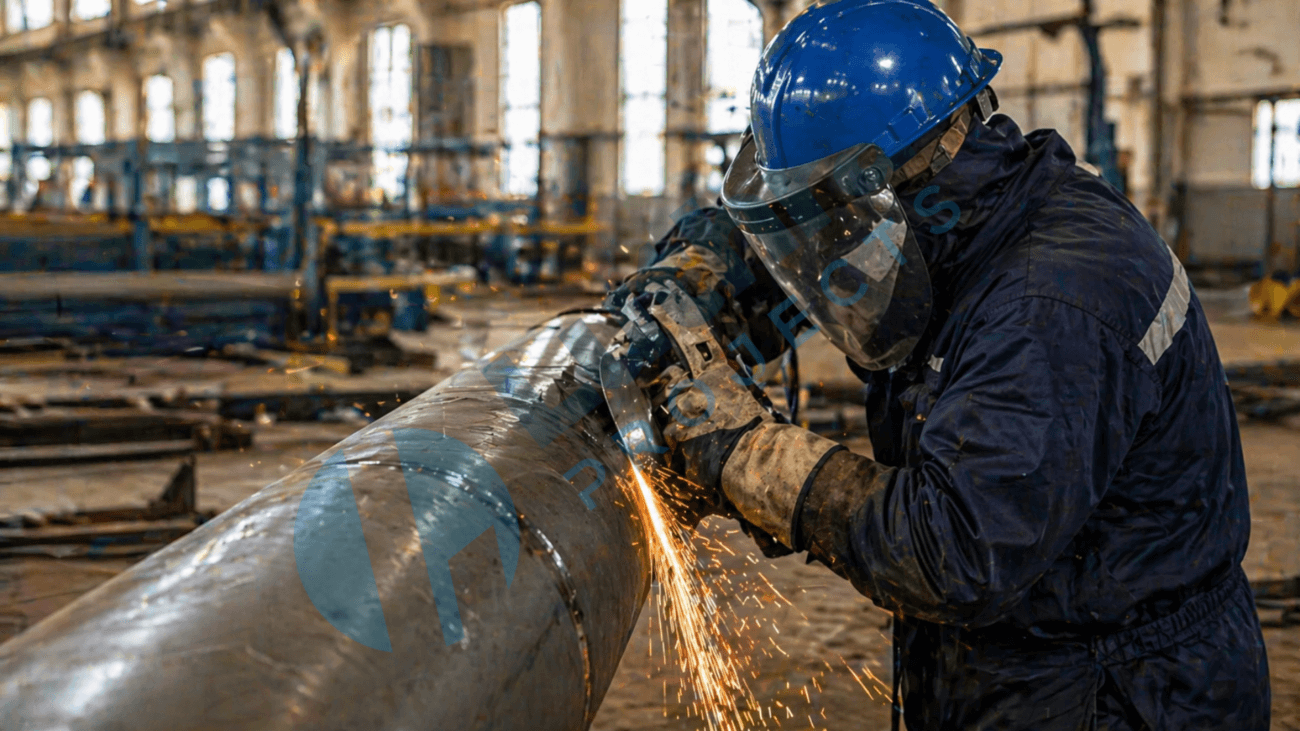
Welding quality is particularly important in high-pressure piping spool fabrication. Weld joints must be prepared and executed according to approved welding procedures and applicable project standards. Qualified welders, appropriate welding consumables, controlled parameters, and inspection procedures can help reduce the possibility of defects. Depending on project specifications, fabricated welds may undergo visual inspection and non-destructive testing.
Dimensional control is equally essential. Fabricated spools need to match engineering drawings and installation requirements so that they can be positioned correctly at the project site. Accurate measurements of spool length, orientation, flange alignment, branch locations, and component positioning can minimize installation challenges and reduce unnecessary rework.
Industrial Applications of High-Pressure Piping Spools
High-pressure piping spool fabrication plays an important role in oil and gas infrastructure throughout India. Piping systems in upstream, midstream, and downstream facilities often require robust fabricated spools capable of handling demanding operating conditions. Accurate spool fabrication supports efficient construction and helps maintain the required configuration of complex process piping networks.
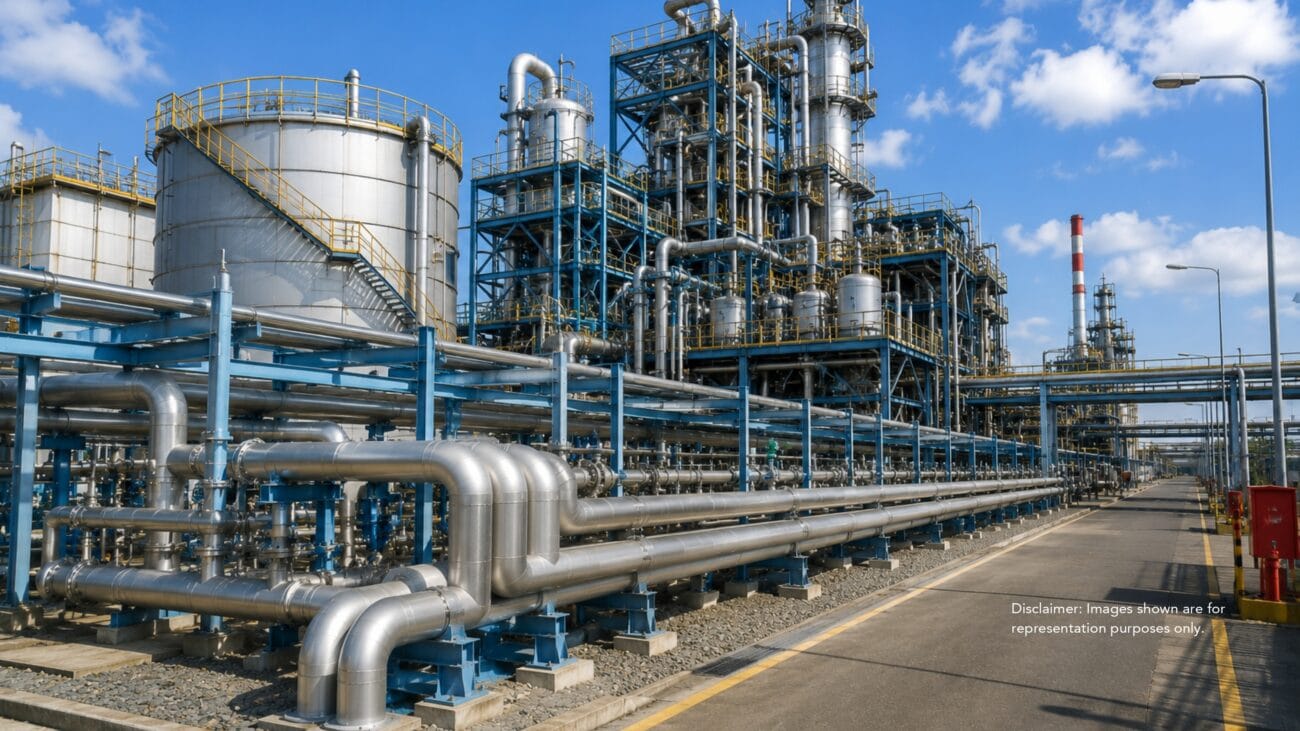
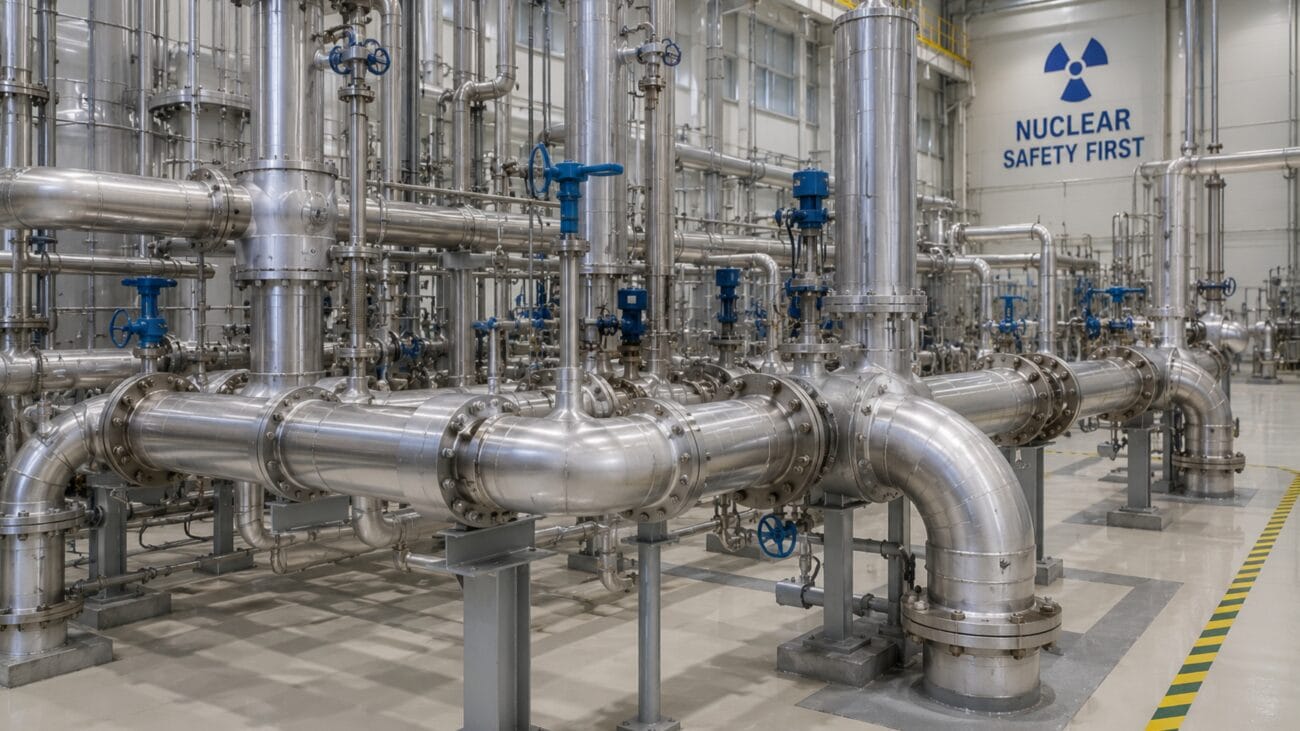
Refineries and petrochemical facilities also depend on accurately fabricated piping systems. These facilities contain extensive networks that transport hydrocarbons, chemicals, steam, cooling water, and other process fluids. Fabricating spool sections in a controlled workshop environment can help simplify site installation while improving consistency between engineering requirements and physical components.
Power generation facilities represent another major application area. High-pressure steam and process piping systems require careful fabrication because they can operate at elevated pressures and temperatures. Proper preparation, welding, inspection, and dimensional control are therefore essential when producing spools for power plant piping applications.
Chemical and process industries can also benefit from professionally fabricated piping spools. Depending on the application, piping may need to withstand pressure, temperature, corrosion, and aggressive process media. Selecting appropriate materials and following project-specific fabrication procedures can contribute to long-term piping system performance.
Benefits of Professional Piping Spool Fabrication in India
One of the key advantages of professional high-pressure piping spool fabrication is improved project efficiency. A significant portion of fabrication work can be completed in a controlled workshop environment before the components arrive at the construction location. This can reduce the amount of cutting, fitting, and welding required during field installation and help construction teams maintain better project schedules.
Workshop fabrication can also provide better quality control. Fabricators can establish dedicated work areas, inspection stages, welding procedures, material handling processes, and dimensional verification systems. This controlled environment can make it easier to identify fabrication issues before spools are delivered to the project site.
Another important benefit is reduced site rework. When piping spools are manufactured according to approved drawings and verified dimensions, installation teams can work with components that are prepared for their intended locations. Better accuracy can reduce alignment problems, modifications, material wastage, and unnecessary fabrication activities at the site.
Professional fabrication also supports project documentation and traceability. Material certificates, welding records, inspection reports, dimensional reports, and other relevant documentation can be maintained according to project requirements. This organized approach is especially valuable for large-scale industrial projects where multiple piping systems and fabrication stages must be coordinated.
Choosing a High-Pressure Piping Spool Fabrication Partner
Selecting the right fabrication partner is an important decision for industrial projects. Companies should consider fabrication capabilities, technical expertise, material handling systems, welding qualifications, inspection practices, production capacity, and the ability to work according to project-specific engineering requirements. A capable fabricator should understand the importance of accuracy throughout the entire fabrication cycle.
At Luthra Projects, industrial fabrication requirements can be approached with attention to engineering specifications, fabrication accuracy, welding quality, inspection requirements, and project coordination. The objective is to provide piping spool fabrication solutions suitable for demanding industrial applications while maintaining consistency and attention to detail.
For projects requiring high-pressure piping spool fabrication in India, early coordination between engineering, procurement, fabrication, inspection, and site teams can significantly improve project execution. Clear drawings, approved specifications, material requirements, welding procedures, and inspection plans help create a structured fabrication workflow from the beginning.
Conclusion
Reliable high-pressure piping spool fabrication is an essential part of successful industrial piping construction. From accurate cutting and fit-up to controlled welding, inspection, and dimensional verification, every stage contributes to the quality of the finished spool. For oil and gas, petrochemical, power, chemical, and other industrial projects in India, professionally fabricated piping spools can support smoother installation, better quality control, reduced rework, and improved project efficiency.
As industrial facilities continue to demand dependable piping infrastructure, choosing an experienced fabrication partner with strong technical and quality-focused processes becomes increasingly important. With the right fabrication approach, high-pressure piping spools can be prepared to meet demanding project requirements and support efficient industrial construction.
FAQs About High-Pressure Piping Spool Fabrication
What is high-pressure piping spool fabrication?
High-pressure piping spool fabrication is the process of manufacturing prefabricated piping sections designed to operate under high-pressure conditions. Pipes and fittings are cut, fitted, welded, inspected, and assembled according to approved engineering drawings and project specifications.
Where are high-pressure piping spools used?
High-pressure piping spools are commonly used in oil and gas facilities, refineries, petrochemical plants, power plants, chemical processing facilities, and other industrial projects where piping systems must safely transport fluids or gases under demanding operating conditions.
Why is welding important in high-pressure piping fabrication?
Welding creates permanent connections between piping components. Proper welding procedures, qualified personnel, suitable consumables, and appropriate inspection practices are important for achieving reliable joints and meeting project quality requirements.
What should companies consider when selecting a piping spool fabricator in India?
Companies should evaluate fabrication capabilities, technical expertise, material traceability, welding qualifications, quality control procedures, inspection capabilities, dimensional accuracy, production capacity, and experience with industrial piping requirements.
Leave a comment