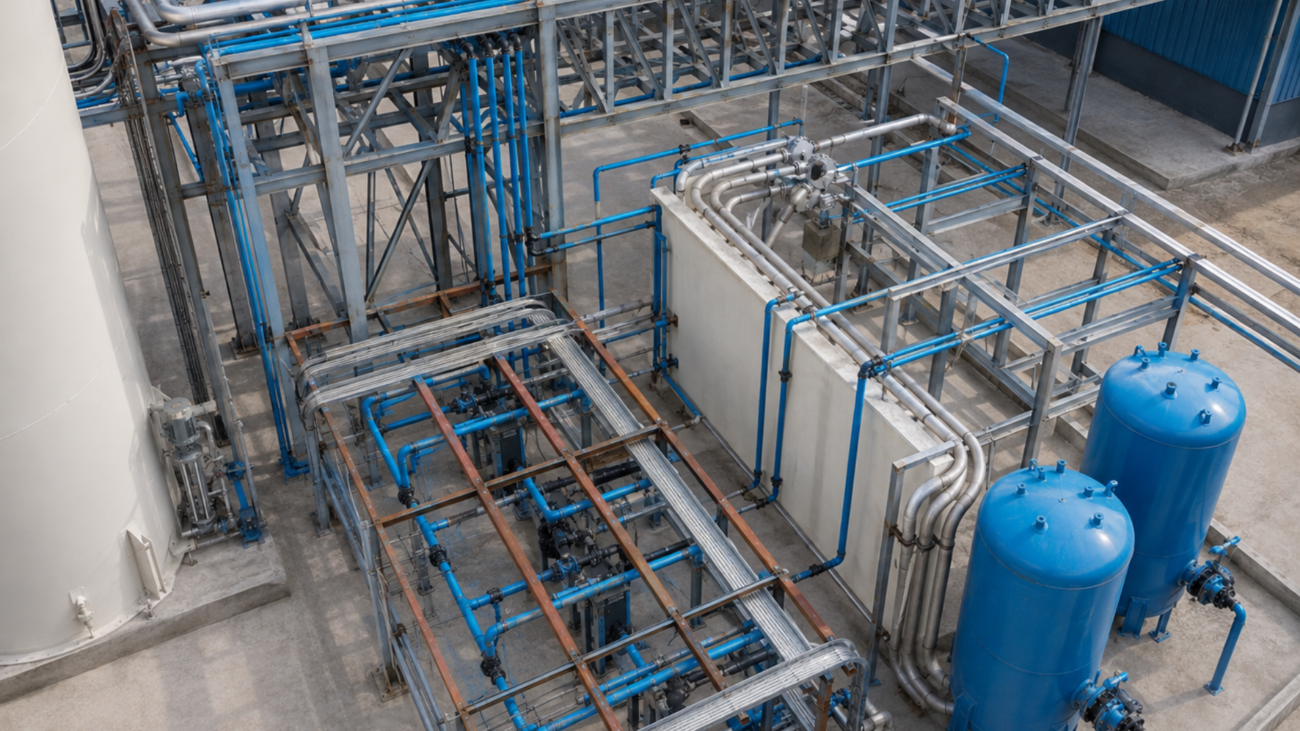
Industrial facilities depend on reliable piping systems to transport liquids, gases, steam, chemicals, compressed air, and other process materials safely and efficiently. From manufacturing plants and power stations to chemical processing facilities and infrastructure projects, project piping plays a critical role in maintaining smooth industrial operations. A properly designed and installed piping network helps businesses improve productivity, minimise operational risks, and maintain consistent process performance.
In modern industrial environments, piping is much more than connecting pipes and fittings. It involves engineering calculations, material selection, pressure management, equipment integration, fabrication, installation, inspection, and maintenance planning. Every stage must be coordinated to ensure that the completed system meets project specifications and applicable safety requirements.
Choosing an experienced industrial piping engineering company can help businesses manage these technical requirements more effectively. Professional engineering support ensures that piping systems are designed around actual operating conditions, space limitations, process requirements, and long-term performance expectations.
What Is Project Piping?
Project piping refers to the complete process of planning, designing, engineering, fabricating, installing, testing, and commissioning piping systems for industrial and commercial facilities. These systems transport process fluids between equipment, storage tanks, production units, utilities, and other operational areas.
Depending on the application, a piping network may handle high-pressure steam, corrosive chemicals, fuel, cooling water, industrial gases, or compressed air. Each application requires appropriate engineering decisions regarding pipe diameter, wall thickness, material compatibility, pressure ratings, temperature limits, and support arrangements.
Project piping typically involves collaboration between process engineers, piping designers, mechanical engineers, fabrication teams, construction professionals, and quality inspectors. This coordination helps ensure that the piping system integrates correctly with pumps, compressors, heat exchangers, valves, and other industrial equipment.
Key Components of an Industrial Piping System
An industrial piping system consists of interconnected components that work together to control and transport materials. Each component must be selected according to the intended application, operating conditions, and applicable technical standards.
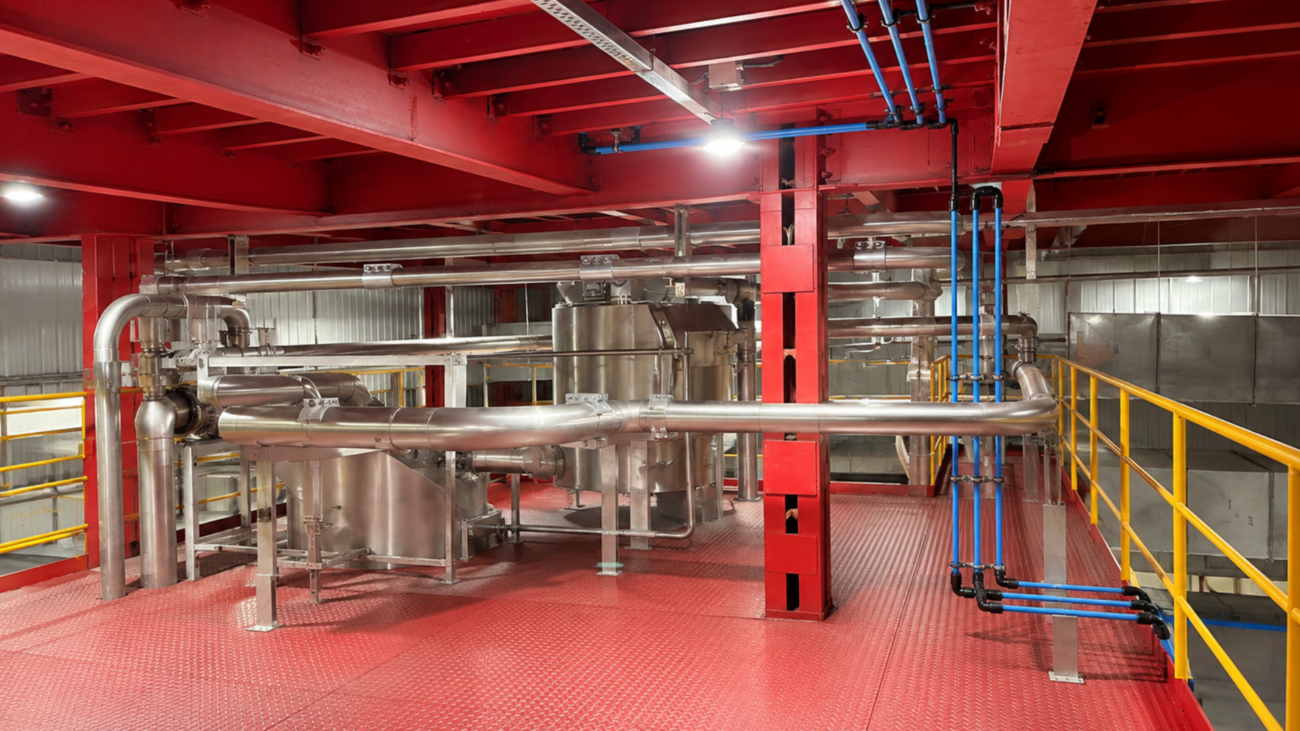
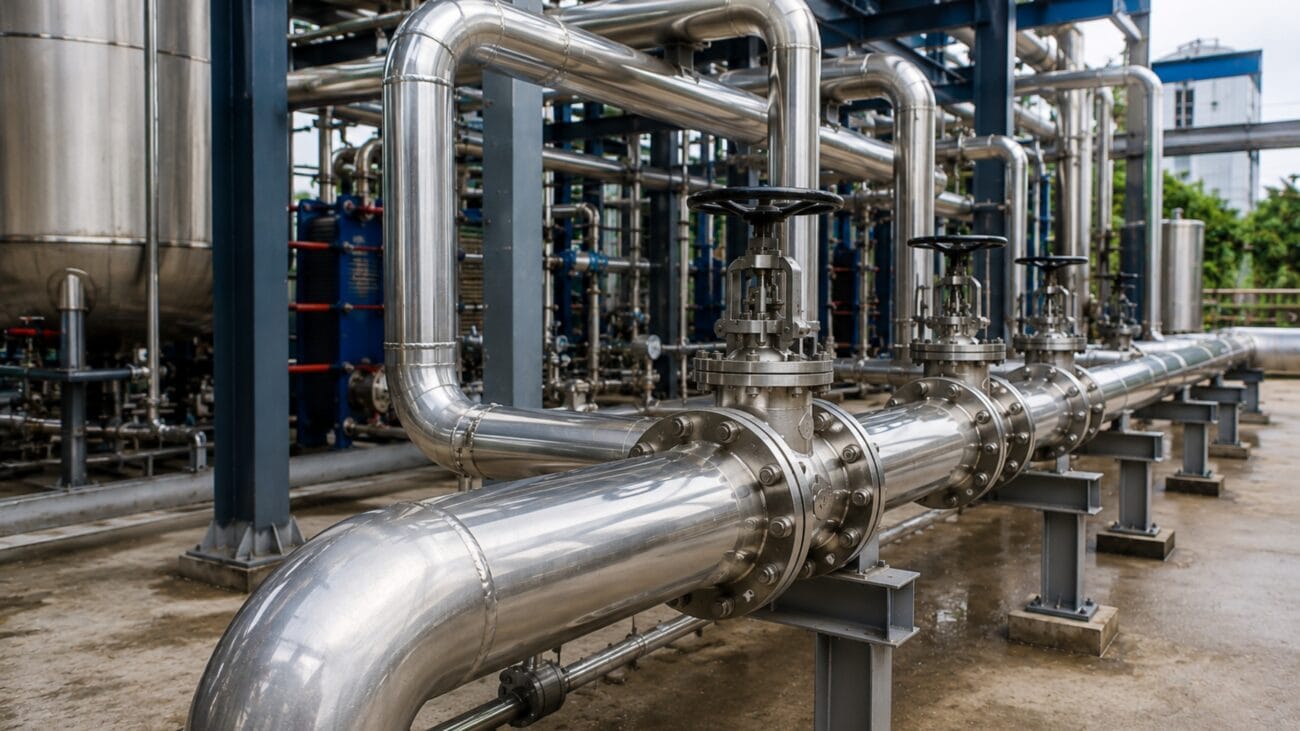
Important components include pipes, elbows, tees, reducers, flanges, gaskets, valves, pipe supports, and expansion joints. Depending on the facility, instrumentation connections, strainers, pressure-relief devices, and specialised fittings may also be required.
The performance of the complete system depends on the quality and compatibility of these components. Incorrect material selection, unsuitable fittings, or inadequate support design can lead to leakage, excessive vibration, pressure losses, or premature equipment failure.
A professional project piping approach considers these factors during the design stage rather than waiting for problems to appear during installation or operation.
Types of Project Piping Used in Industrial Facilities
Different industrial applications require different piping arrangements. The appropriate system depends on the properties of the transported material, operating pressure, temperature, environmental conditions, and process requirements.
1. Process Piping
Process piping transports materials directly involved in manufacturing or production activities. It is commonly used in chemical plants, pharmaceutical facilities, refineries, food processing units, and other process industries.
These systems may carry raw materials, intermediate products, finished products, and process chemicals. Engineers must evaluate chemical compatibility, flow requirements, corrosion resistance, and operating conditions before finalising the design.
Properly engineered process piping helps maintain product quality, reduce contamination risks, and support consistent production. Depending on the application, specialised cleaning procedures and additional inspection requirements may also apply.
2. Utility Piping
Utility piping supplies essential services required for industrial operations. Common examples include cooling water, chilled water, service water, compressed air, and other plant utilities.
Although utility systems may not transport the main production material, their reliability directly affects operational continuity. A failure in compressed air or cooling water supply can disrupt equipment performance and interrupt production activities.
Well-planned utility piping considers demand fluctuations, pressure requirements, distribution layouts, isolation points, and future expansion needs. Appropriate system design helps improve efficiency while simplifying routine inspection and maintenance.
3. Steam and High-Temperature Piping
Steam piping is widely used in power generation, food processing, chemical manufacturing, and industrial heating applications. These systems must accommodate elevated temperatures, pressure variations, thermal expansion, and changing operating conditions.
Engineers evaluate pipe materials, insulation requirements, support spacing, condensate drainage, and thermal movement to maintain reliable performance. Expansion loops or engineered expansion joints may be required depending on the system configuration.
High-temperature piping requires careful installation and inspection because thermal stresses can affect connected equipment and supporting structures. Proper engineering helps reduce the risk of leaks, deformation, and unexpected shutdowns.
4. Chemical and Corrosion-Resistant Piping
Chemical piping systems transport acids, solvents, alkalis, and other substances that may react with conventional piping materials. Material selection is therefore a critical engineering decision.
Depending on the chemical properties and operating environment, suitable options may include specific grades of stainless steel, carbon steel with appropriate protection, specialised alloys, or compatible non-metallic piping materials.
A qualified engineering team assesses chemical concentration, temperature, pressure, corrosion mechanisms, and compatibility with seals and fittings. This helps extend equipment life and reduce the likelihood of leaks or material degradation.
Major Applications of Project Piping
Project piping is essential across numerous industries because most industrial processes require controlled movement of fluids, gases, or utilities between different operational areas.
In the oil and gas sector, piping systems transport hydrocarbons, process fluids, fuel, and utilities throughout production and processing facilities. In power plants, they support steam distribution, cooling systems, water treatment, and auxiliary services.
Chemical and pharmaceutical industries use specialised piping networks to handle process ingredients and maintain controlled production conditions. Manufacturing plants depend on compressed air, cooling water, lubricants, and other utility systems to operate machinery efficiently.
Food processing, water treatment, cement production, and heavy engineering facilities also require reliable piping infrastructure. Each sector has its own technical and regulatory considerations, making project-specific engineering essential.
Benefits of Professional Project Piping Engineering
Investing in professionally engineered piping systems can improve industrial performance, support safety objectives, and reduce avoidable operating costs.
Improved Operational Efficiency
A well-designed piping layout helps maintain appropriate flow rates and reduces unnecessary pressure losses. Correct pipe sizing, suitable fittings, and carefully planned routing can improve the performance of pumps, compressors, and other connected equipment.
Efficient piping also helps reduce energy consumption in systems where fluid movement requires significant pumping or compression power. These improvements can contribute to lower operating costs throughout the facility’s service life.
Enhanced Safety and Reliability
Industrial piping may operate under high pressure, elevated temperatures, or exposure to hazardous substances. Appropriate design calculations, material specifications, fabrication controls, and inspection procedures are essential to managing these risks.
Engineers must consider pressure ratings, thermal expansion, vibration, corrosion, and loads transferred to connected equipment. Systems should also include appropriate isolation arrangements and protective devices where required.
Compliance with applicable codes and standards supports safe operation and improves confidence in system integrity. Depending on the application, relevant requirements may include ASME B31 piping codes and other applicable Indian or international standards.
Reduced Maintenance Costs
Poorly designed piping can create recurring maintenance issues, including leakage, vibration, corrosion, difficult access, and premature component failure. These problems can increase repair costs and lead to production downtime.
Professional engineering incorporates accessible valves, suitable support arrangements, inspection points, and maintainable equipment connections. Proper documentation also helps maintenance teams identify components and plan repairs efficiently.
Over time, these measures can reduce unexpected maintenance requirements and improve the availability of industrial equipment.
Greater Flexibility for Future Expansion
Industrial facilities often increase production capacity, introduce new equipment, or modify existing processes. A piping system designed without considering future requirements may require expensive modifications later.
Scalable piping layouts can accommodate additional connections, equipment changes, and planned capacity improvements where practical. Engineers can evaluate available space, reserve suitable routing corridors, and assess the impact of future loads.
This forward-looking approach helps businesses manage expansion more efficiently while reducing disruption to ongoing operations.
The Project Piping Engineering and Installation Process
A structured engineering process helps ensure that every stage of a piping project meets the required technical and operational objectives.
1. Planning and Requirement Analysis
The project begins with an assessment of process requirements, operating conditions, equipment locations, site constraints, and applicable standards. Engineers review available drawings, specifications, and process information before establishing the scope of work.
This stage helps identify design constraints, material requirements, safety considerations, and coordination needs. Accurate planning also supports realistic cost estimates and project scheduling.
2. Piping Design and Engineering
During the design stage, engineers develop piping layouts, select suitable pipe sizes, determine material specifications, and assess routing arrangements. Depending on the project, deliverables may include piping and instrumentation diagrams (P&IDs), piping general arrangement drawings, isometric drawings, and material take-offs.
Stress analysis may be required where pressure, temperature, equipment nozzle loads, or thermal movement create significant design concerns. Three-dimensional modelling can also help identify spatial clashes with structures, cable trays, and mechanical equipment.
3. Fabrication and Installation
Once engineering documents are approved, pipes and fittings are fabricated according to project specifications. Work may involve cutting, bevel preparation, welding, assembly, dimensional checks, and identification of materials.
Installation teams position the piping, fit supports, connect equipment, and complete the required joints. Quality controls and approved procedures help maintain dimensional accuracy and fabrication consistency throughout the construction phase.
4. Testing, Inspection, and Commissioning
Before a piping system enters service, it must undergo the inspections and tests specified by the applicable design code and project requirements. These may include visual inspection, weld examination, pressure testing, leak testing, flushing, and cleanliness verification.
The test method and acceptance criteria depend on the service, governing code, and project specifications. After successful verification, commissioning activities confirm that the system operates as intended and that the required documentation is complete.
How to Choose the Best Piping Company in India?
Selecting the best piping company in India for an industrial project requires more than comparing quotations. Businesses should evaluate technical capability, relevant experience, quality management, safety practices, and the ability to deliver within the agreed scope and schedule.
An experienced industrial piping engineering company should understand the requirements of the relevant industry and demonstrate a structured approach to design, fabrication, installation, and quality assurance.
Before making a decision, consider the following four important factors:
- Technical expertise: Evaluate experience with similar piping systems, process conditions, engineering calculations, and applicable design codes.
- Project execution capability: Review the company’s ability to coordinate design, procurement, fabrication, installation, testing, and commissioning.
- Quality and safety procedures: Check material traceability, welding qualifications, inspection documentation, testing procedures, and site safety practices.
- Documentation and support: Confirm that drawings, material records, inspection reports, test certificates, and handover documents will be provided as required.
Businesses should also assess communication, project management, resource availability, and experience working with multidisciplinary industrial teams. A clearly defined scope of work and transparent commercial terms can help prevent misunderstandings during execution.
The right partner should offer engineering solutions that match the facility’s operating needs rather than relying on a standard design for every application.
Common Challenges in Industrial Piping Projects
Industrial piping projects can encounter several challenges that affect cost, quality, and delivery timelines. Identifying these risks early allows project teams to take preventive action.
Design changes are a frequent challenge, particularly when equipment specifications change or site conditions differ from the original drawings. Poor coordination between piping, structural, electrical, and mechanical teams can also cause clashes and installation delays.
Material procurement issues may arise when specialised alloys, certified components, or project-specific fittings have long lead times. Inadequate welding controls, incorrect pipe alignment, and insufficient inspection can create quality problems that require costly rework.
To address these challenges, project teams should maintain accurate drawings, coordinate design reviews, track materials, document changes, and implement inspection plans. Regular progress reviews and effective communication between engineering and site teams help maintain control over project execution.
Conclusion
Project piping is a fundamental part of industrial infrastructure, supporting the safe and efficient movement of materials across manufacturing, energy, chemical processing, and other industrial applications. From initial planning and engineering design to fabrication, installation, testing, and commissioning, every stage contributes to the reliability of the completed system.
Choosing an experienced industrial piping engineering company can help businesses manage technical challenges, maintain quality standards, and develop piping systems suited to their operational requirements. When evaluating the best piping company in India, prioritise engineering expertise, industry experience, safety practices, documentation, and project execution capabilities.
A well-engineered piping system is a long-term investment in operational efficiency, equipment reliability, and sustainable industrial performance.
Frequently Asked Questions About Project Piping
What is project piping in industrial engineering?
Project piping is the engineering, design, fabrication, installation, testing, and commissioning of piping systems used to transport fluids, gases, steam, chemicals, and utilities within industrial facilities.
What are the main types of project piping?
The main types include process piping, utility piping, steam piping, chemical piping, cooling water piping, and compressed air piping. The appropriate type depends on the transported material and operating conditions.
Why is piping engineering important for industrial projects?
Piping engineering helps ensure that systems meet flow, pressure, temperature, safety, and maintenance requirements. It also supports efficient equipment integration, reduces design conflicts, and helps prevent avoidable operational failures.
How do I choose an industrial piping engineering company?
Look for an industrial piping engineering company with relevant project experience, qualified personnel, strong quality controls, appropriate safety procedures, and the capability to manage the required engineering and execution activities.
What materials are commonly used in industrial piping?
Common materials include carbon steel, stainless steel, alloy steel, copper, and selected non-metallic materials. The correct choice depends on pressure, temperature, corrosion resistance, fluid compatibility, and applicable design requirements.
What is included in a project piping scope of work?
A typical scope may include design calculations, piping layouts, material selection, isometric drawings, procurement support, fabrication, installation, inspection, testing, commissioning, and final documentation. The exact scope varies by project.
How does professional piping design reduce industrial operating costs?
Professional piping design can reduce unnecessary pressure losses, improve energy efficiency, simplify maintenance, minimise rework, and support longer equipment service life. The actual savings depend on the application and quality of implementation.
Which standards apply to industrial piping projects in India?
Applicable requirements depend on the piping service and facility. They may include relevant ASME B31 codes, Indian Standards, statutory requirements, and project-specific specifications. Engineers should determine the correct requirements for the particular system.


Leave a comment