
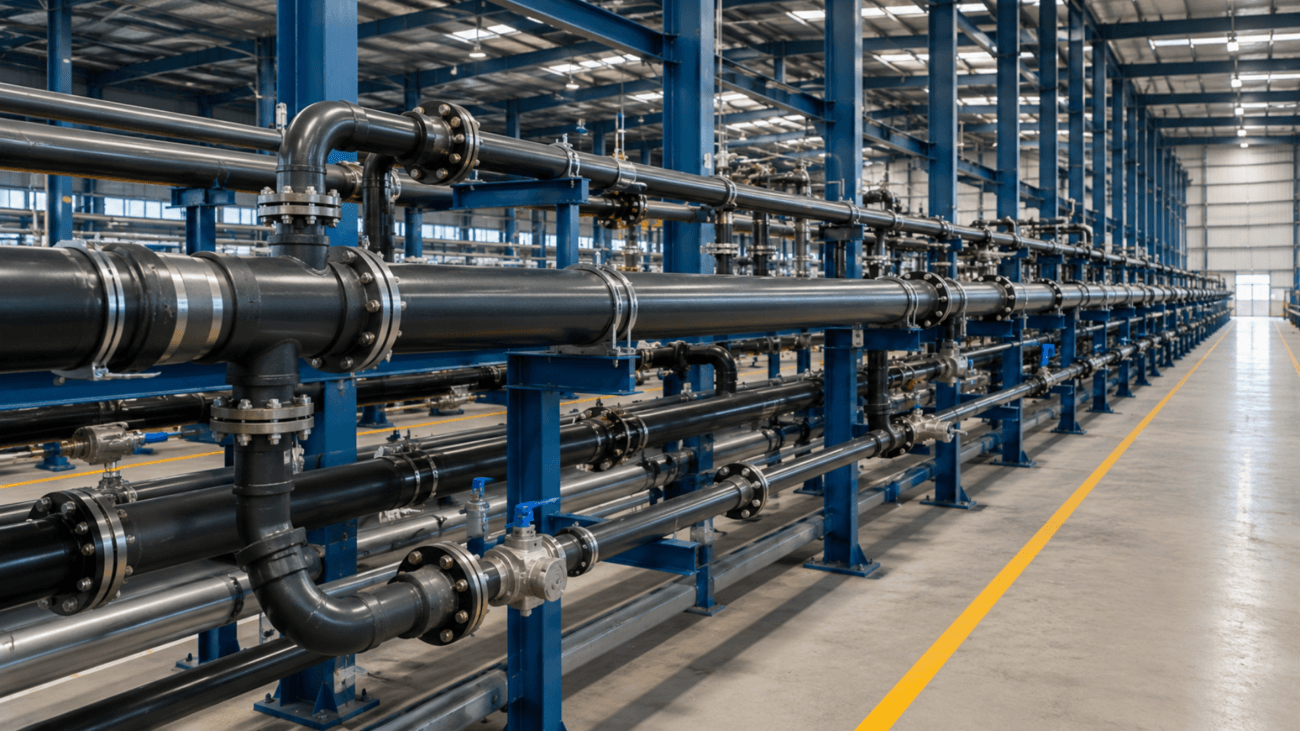
Understanding Gas Piping Installation
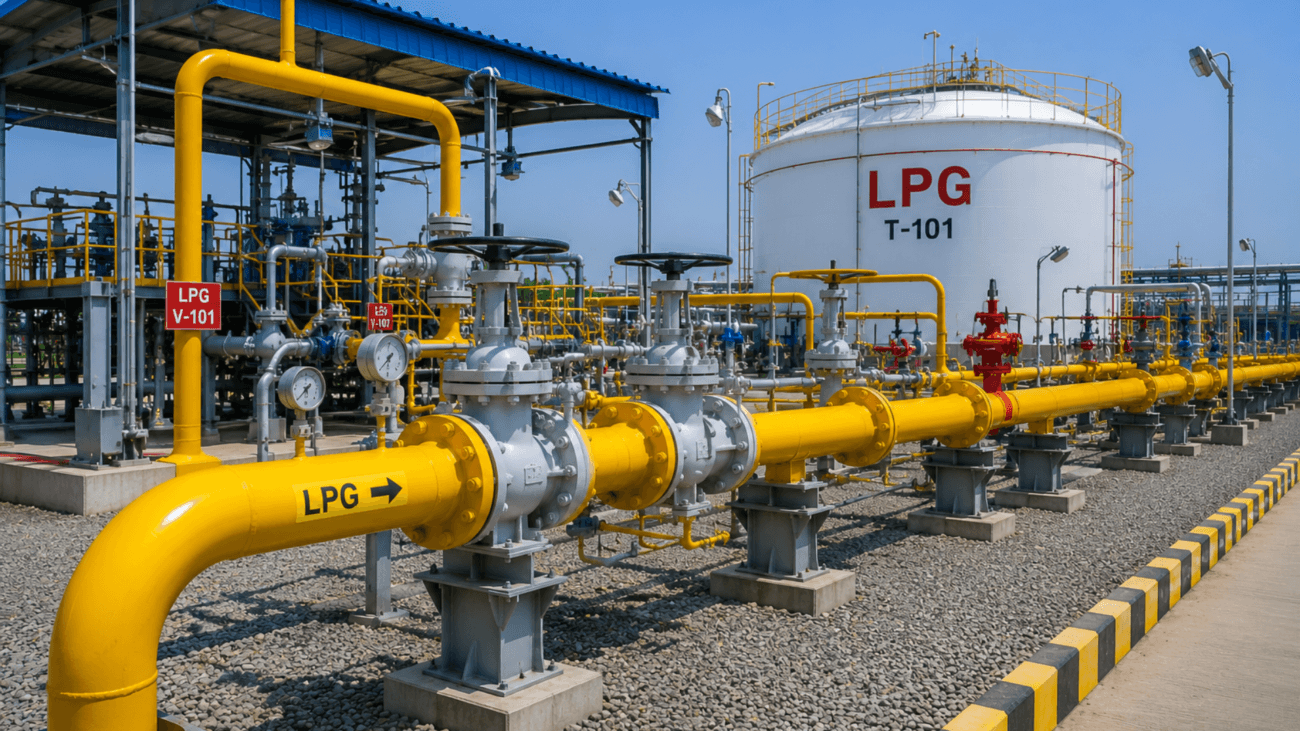
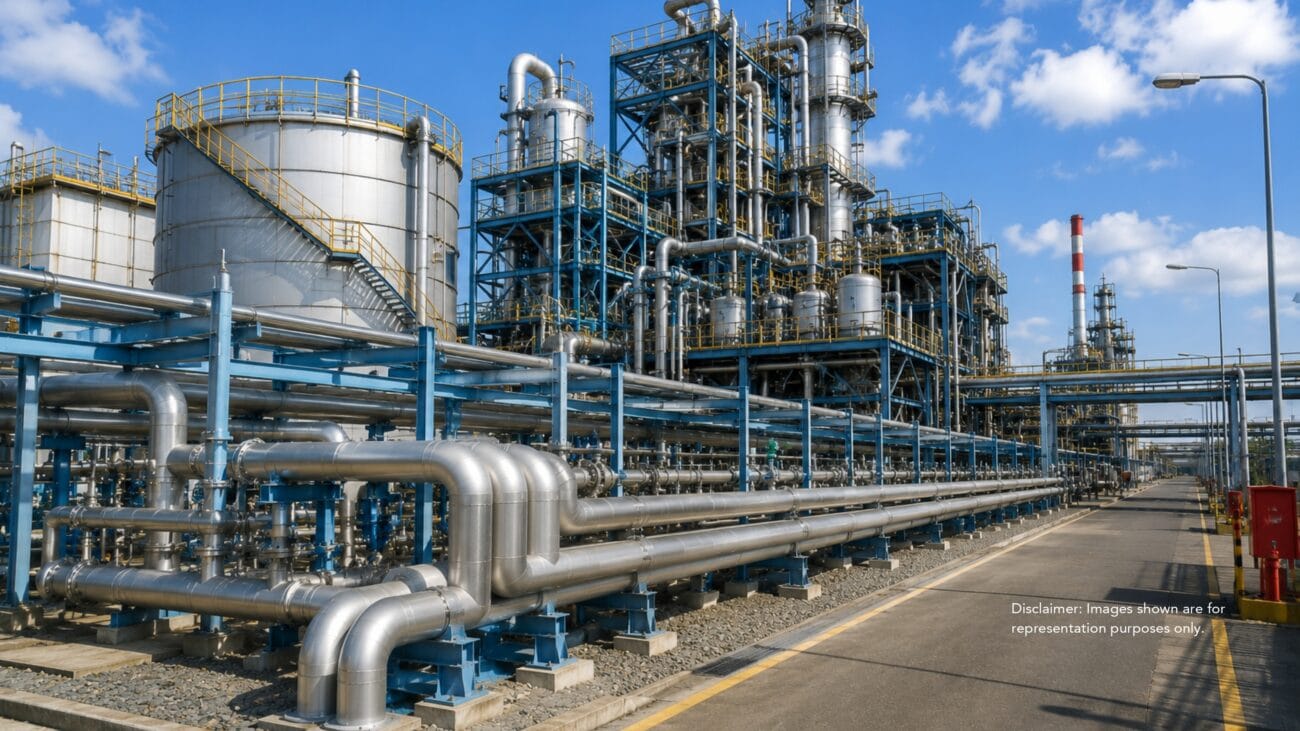
Gas piping is an essential part of many industrial, commercial, and utility infrastructure systems. It is designed to transport gases safely and efficiently from a source to equipment, process areas, distribution points, or other designated locations. Depending on the application, gas piping may be used for LPG, PNG, CNG, natural gas, and other industrial gases. A properly engineered system helps maintain consistent gas flow while reducing the possibility of leakage, pressure loss, and operational interruptions.
The performance of a gas distribution network depends on several factors, including pipe material, pressure requirements, flow rate, routing, fittings, valves, supports, and installation quality. For industrial applications, the system must be designed around the specific operating conditions rather than treated as a standard installation. Luthra Projects provides customized gas and industrial piping solutions designed around project requirements, including system design, installation, testing, and commissioning.
A professional approach is especially important because gas systems can involve combustible, pressurized, or otherwise hazardous media. Incorrect pipe sizing, unsuitable materials, poor joints, inadequate supports, or insufficient testing can create serious operational and safety concerns. Proper engineering therefore begins before physical installation, with an assessment of gas characteristics, pressure, flow requirements, equipment connections, site conditions, and the intended operating environment.
Gas Piping Installation Cost: What Determines the Price?
The cost of gas piping installation varies significantly from one project to another. There is no reliable single price per metre because the final project value depends on the complexity and technical requirements of the installation. Pipe diameter, total pipeline length, material selection, pressure rating, number of fittings, valves, manifolds, equipment connections, supports, access conditions, fabrication requirements, and testing requirements can all influence the overall cost.
Material is another important cost factor. Industrial systems may require carbon steel, stainless steel, HDPE, MDPE, or other application-specific piping materials. Luthra Projects identifies carbon steel, stainless steel, and specialized plastic piping options among the materials used for different gas and oil-and-gas applications. The correct material should be selected according to the gas, pressure, temperature, corrosion conditions, and applicable project specifications.
Installation conditions can also affect the budget. A straightforward new installation may require less labour and modification work than a project involving an existing facility. Elevated pipe racks, restricted working areas, shutdown requirements, complex routing, equipment integration, and additional safety measures can increase project costs. A detailed site assessment and engineering review are therefore important before finalizing a quotation.
The Gas Piping Installation Process
A professional gas piping project generally begins with system planning and engineering. Engineers evaluate gas demand, pressure, flow requirements, pipe routing, connection points, equipment requirements, and site conditions. The resulting design establishes the appropriate pipe sizes, valves, fittings, supports, and connection arrangements. For specialized industrial systems, flow calculations and detailed piping layouts help create an efficient and maintainable network.
After design approval, suitable materials and components are procured and prepared for installation. Depending on the project, this can include pipes, valves, flanges, regulators, manifolds, gauges, fittings, supports, and associated components. Fabrication and assembly must be performed with attention to alignment, joint quality, dimensional accuracy, and project specifications.
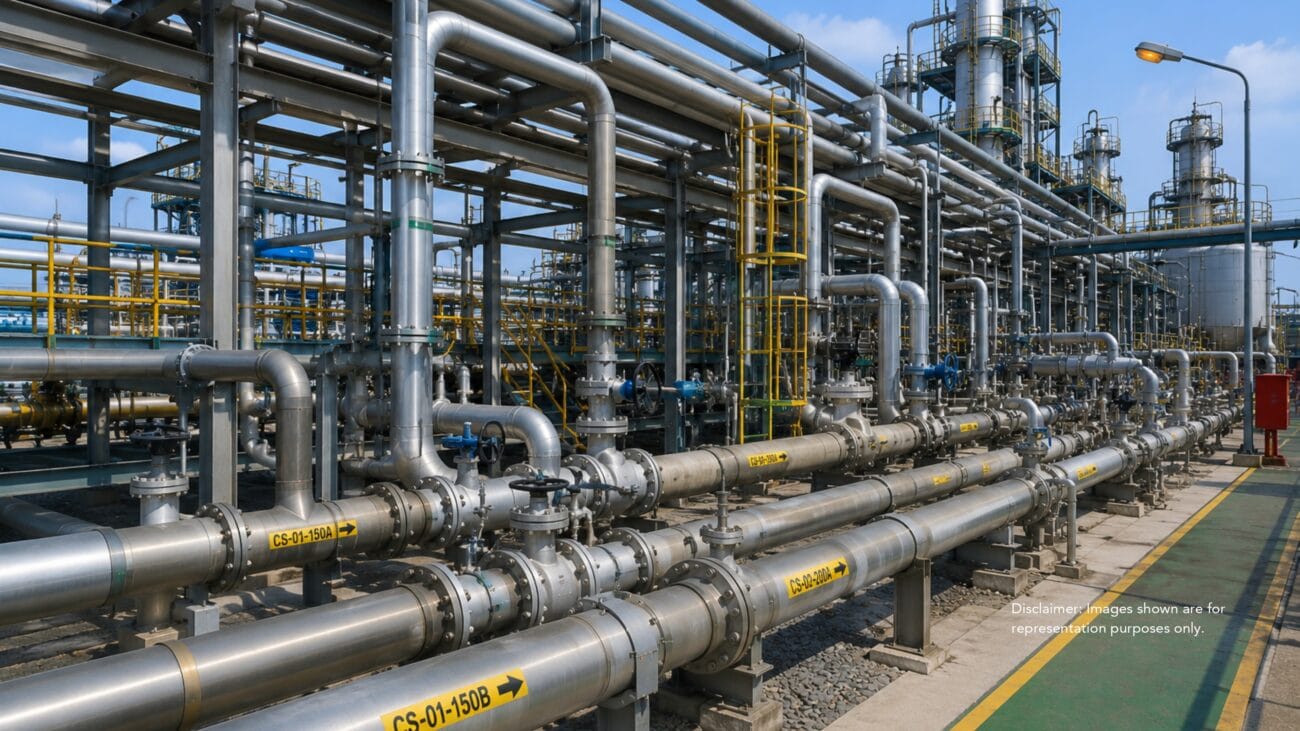
The next stage involves site installation and mechanical erection. Pipes are routed according to the approved layout and connected to equipment, manifolds, gas sources, or distribution points. Proper supports and routing are important because they help protect the piping network from excessive movement, vibration, mechanical stress, and other operating conditions. Professional installation also helps minimize avoidable pressure losses and maintenance difficulties.
Safety and Testing Before Commissioning
Safety should remain a priority throughout every gas piping installation. Before commissioning, the completed system should undergo appropriate inspections and testing based on the gas service, design requirements, and applicable standards. Testing helps identify leakage, defective joints, installation problems, and other issues before the system is placed into normal operation.
Industrial piping projects can include non-destructive testing, pressure testing, leak testing, and other quality-control procedures depending on the application. Luthra Projects states that its oil and gas piping work incorporates NDT for weld integrity and hydrostatic testing, alongside adherence to applicable ASME, API, and IBR requirements. For specialized gas systems, its stated scope also includes helium and nitrogen leak testing, hydrostatic pressure trials, and system validation where applicable.
Commissioning should only proceed after the required inspections and tests have been successfully completed. The system can then be checked under controlled operating conditions to confirm that gas reaches the required points with appropriate pressure and flow. Documentation, test records, inspection results, and maintenance recommendations can also become important parts of the handover process.
What to Expect From a Professional Gas Piping Project?
When planning a gas piping installation, clients should expect more than simply supplying and connecting pipes. A complete project can involve consultation, system design, material selection, fabrication, installation, testing, commissioning, and post-installation support. Luthra Projects states that it provides end-to-end piping solutions from concept and design through installation and commissioning, supported by on-site installation and troubleshooting services.
The project timeline will depend on pipeline length, system complexity, site readiness, material availability, fabrication requirements, testing, and integration with existing equipment. Clear engineering drawings, an agreed scope of work, defined testing requirements, and proper site coordination can help reduce unexpected delays.
Choosing an experienced industrial piping partner can also simplify project management. Luthra Projects reports more than 50 years of industry experience and more than 6,500 completed projects across India, the Middle East, Asia, and Africa. Its gas-piping portfolio includes fuel and gas handling systems, natural gas distribution lines, gas manifolds, and related industrial piping applications.
Why Proper Gas Piping Matters?
A well-designed gas piping network can contribute to safe gas transportation, reliable equipment operation, better system efficiency, and easier maintenance. The objective is not simply to move gas from one point to another but to create a dependable infrastructure capable of performing under the expected operating conditions.
For industrial facilities, professional design and installation can also help reduce the risk of leaks, unplanned downtime, pressure-related problems, and premature maintenance. Correct material selection, accurate fabrication, appropriate testing, and systematic commissioning are all important elements of a dependable piping system.
Whether the requirement involves a new industrial facility, an expansion, an equipment connection, or an upgrade to an existing gas distribution network, the project should begin with a detailed technical assessment. This allows the final solution to match actual operating requirements rather than relying on assumptions.
Conclusion
Gas piping installation requires careful engineering, quality materials, professional fabrication, accurate installation, rigorous testing, and controlled commissioning. Understanding these stages helps businesses plan realistic budgets, timelines, safety measures, and project expectations.
For industrial facilities, a turnkey approach can simplify the process by bringing design, material selection, installation, testing, and commissioning together under one project scope. Luthra Projects provides industrial gas and oil-and-gas piping solutions with an emphasis on safety, reliability, engineering, and end-to-end execution.
FAQs About Gas Piping Installation
What is gas piping used for?
Gas piping is used to safely transport gases such as natural gas, LPG, PNG, CNG, and other industrial gases between supply points, equipment, process areas, and distribution systems.
How much does gas piping installation cost?
The cost depends on pipe size, material, pipeline length, pressure, fittings, valves, routing, site conditions, fabrication, testing, and commissioning requirements. A project-specific assessment is needed for an accurate estimate.
Which materials are used for gas piping?
Depending on the application, materials can include carbon steel, stainless steel, HDPE, and MDPE. Material selection should be based on gas characteristics, pressure, temperature, corrosion conditions, and project specifications.
Is gas piping installation safe?
Professional engineering, appropriate materials, correct installation practices, inspection, leak testing, pressure testing, and commissioning are important for safe gas piping operation.
Does gas piping require testing?
Yes. Appropriate inspection and testing are essential before commissioning. Depending on the system, testing may include leak testing, pressure testing, NDT, or other validation procedures.
Can gas piping be connected to industrial equipment?
Yes. Industrial gas piping systems can be designed to connect gas sources, manifolds, process equipment, machinery, and other designated points according to project requirements.
Can an existing gas piping system be upgraded?
Yes. Existing systems can be assessed for expansion, modification, replacement, or integration with new equipment, subject to engineering evaluation and applicable safety requirements.
Where can I learn more about gas piping solutions?
For information about industrial gas piping and turnkey piping solutions, visit the Luthra Projects website.
Leave a comment