
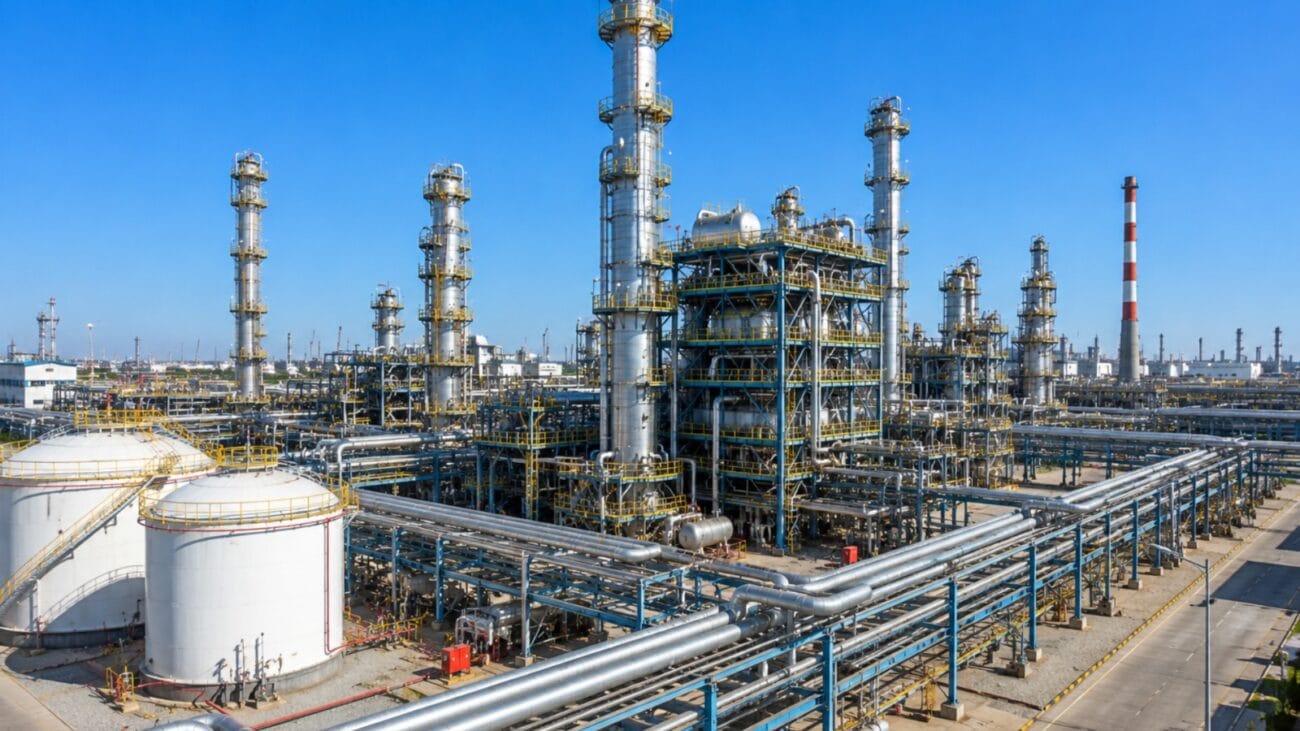
Understanding Gas Piping in Modern Industrial Projects
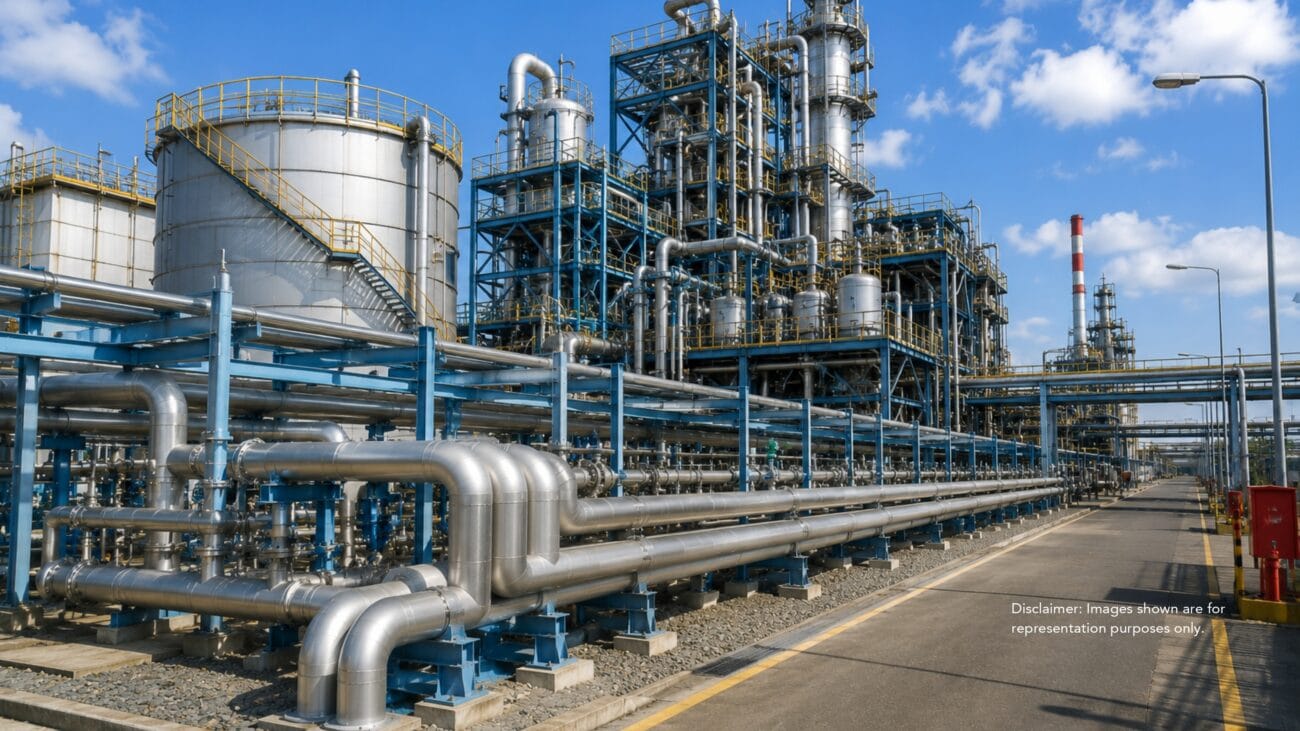
Gas distribution is an important part of many industrial facilities across India. Manufacturing plants, commercial establishments, processing units and utility facilities often require a dependable system for transporting gases from storage or supply points to the required equipment. This is where professionally designed gas piping becomes essential.
A properly engineered piping network helps transport gas safely while maintaining the required pressure and flow throughout the system. The design must consider factors such as pipe material, operating pressure, temperature, routing, fittings, valves and the specific characteristics of the gas being handled.
Professional planning also helps reduce the possibility of leakage, pressure losses and operational interruptions. For industrial projects, a well-designed gas piping network can contribute to safer operations, improved efficiency and easier maintenance.
H2: Why Professional Gas Pipeline Installation Matters
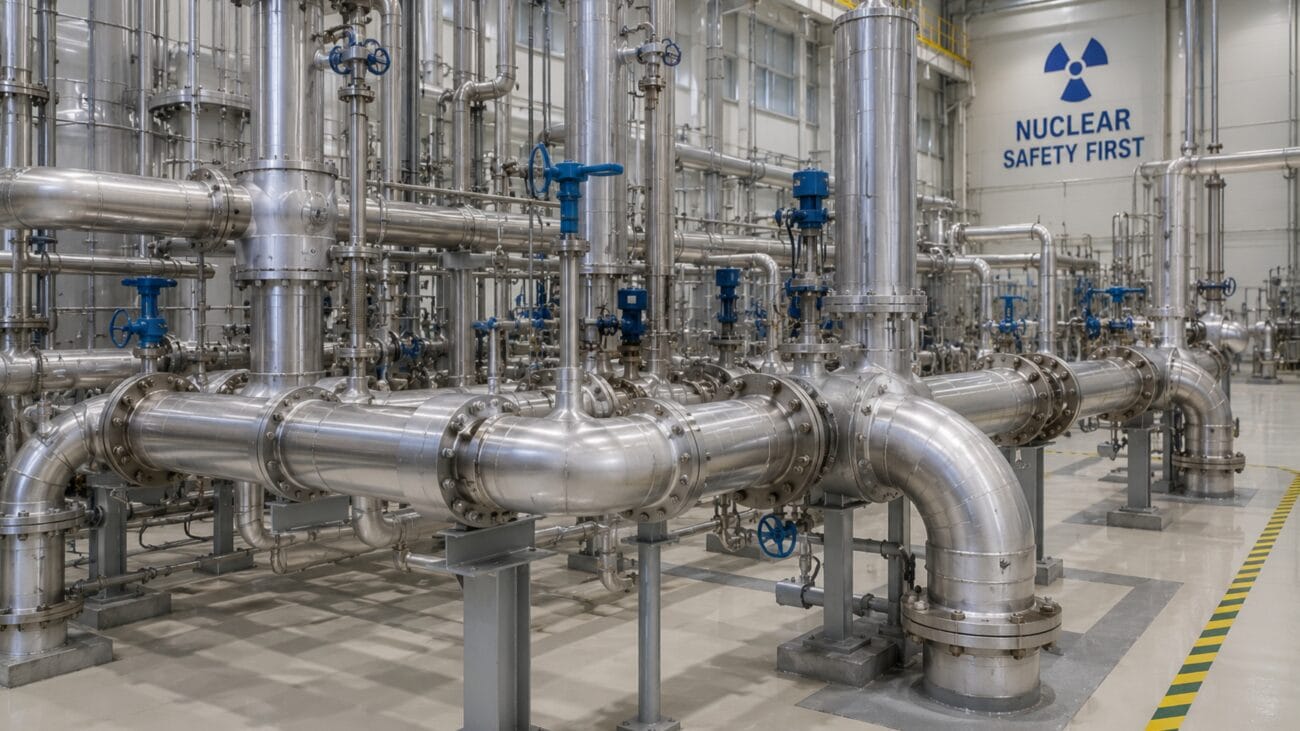
Gas pipeline installation requires careful planning, accurate fabrication and disciplined execution. Unlike ordinary utility piping, gas pipelines must be installed with particular attention to safety, joint integrity and system performance. Even a small installation error can affect the reliability of the complete network.
The installation process generally begins with understanding the plant layout and determining the most suitable pipeline route. Engineers consider equipment locations, accessibility, support requirements and future maintenance needs before installation begins.
A professionally executed gas pipeline installation also helps ensure that pipes, valves, fittings and connections are correctly positioned. Proper installation practices can minimise unnecessary pressure drops and help maintain consistent gas delivery to connected equipment.
Key Considerations for Industrial Gas Piping
Industrial gas piping systems should be designed according to the operational requirements of the facility. Pipe sizing is particularly important because an incorrectly sized pipeline can result in inadequate flow or excessive pressure loss.
The selection of suitable materials is another important consideration. Depending on the gas, pressure, temperature and application, the piping material and associated components must be selected for appropriate strength, durability and compatibility.
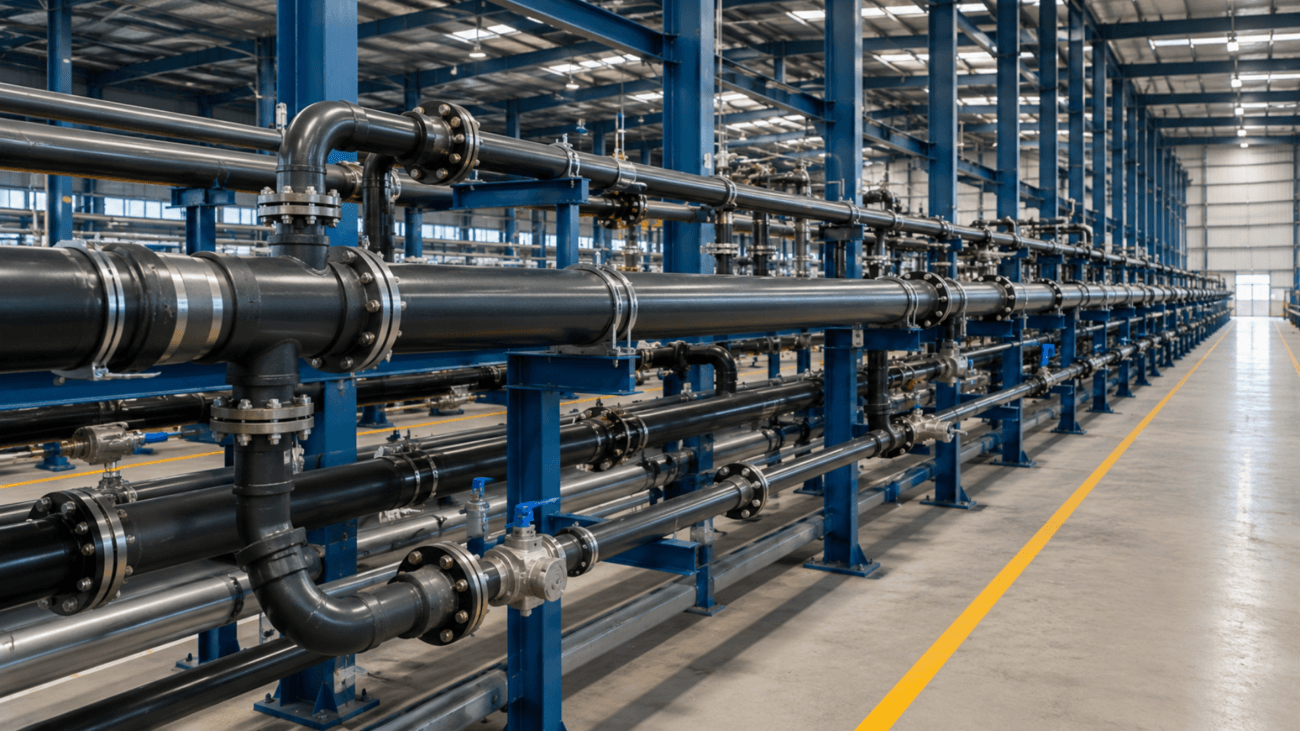
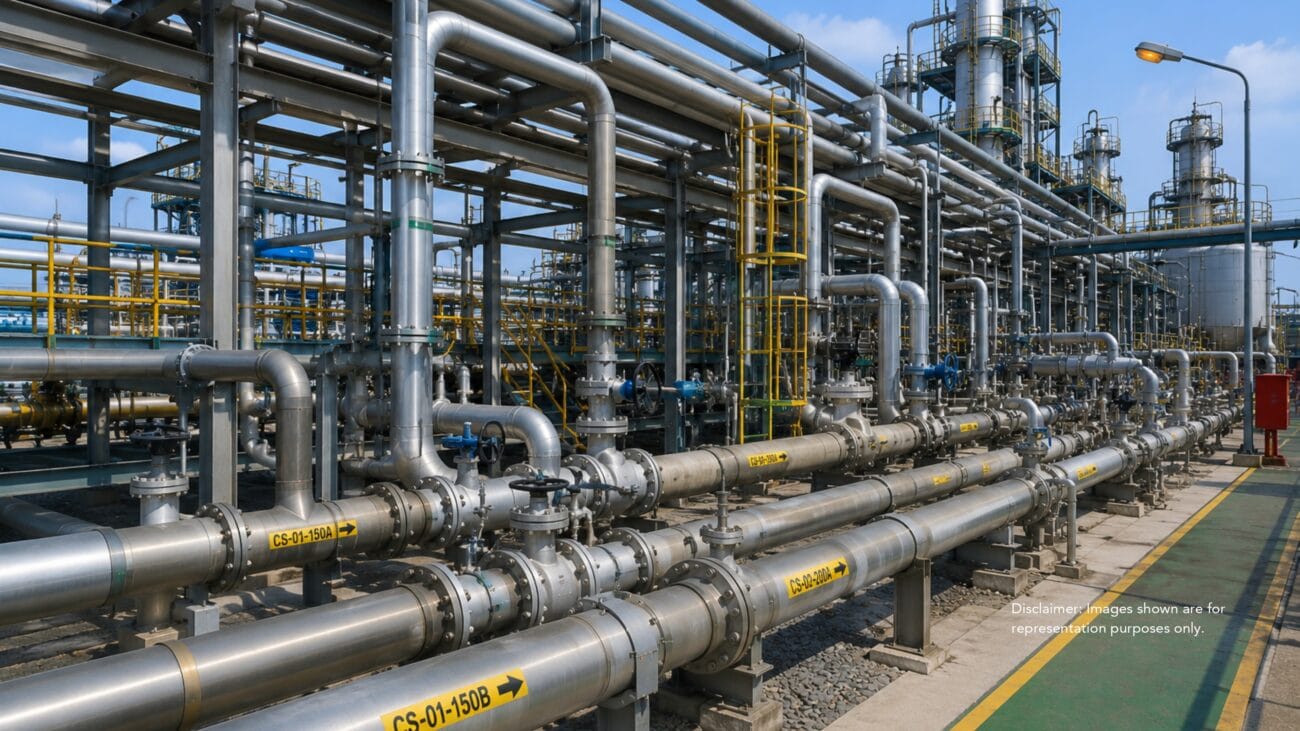
Routing should also be planned carefully. Pipelines should provide sufficient access for inspection and maintenance while avoiding unnecessary bends and complicated routes. Proper pipe supports and alignment further contribute to long-term system stability.
Four Important Elements of a Reliable Gas Pipeline
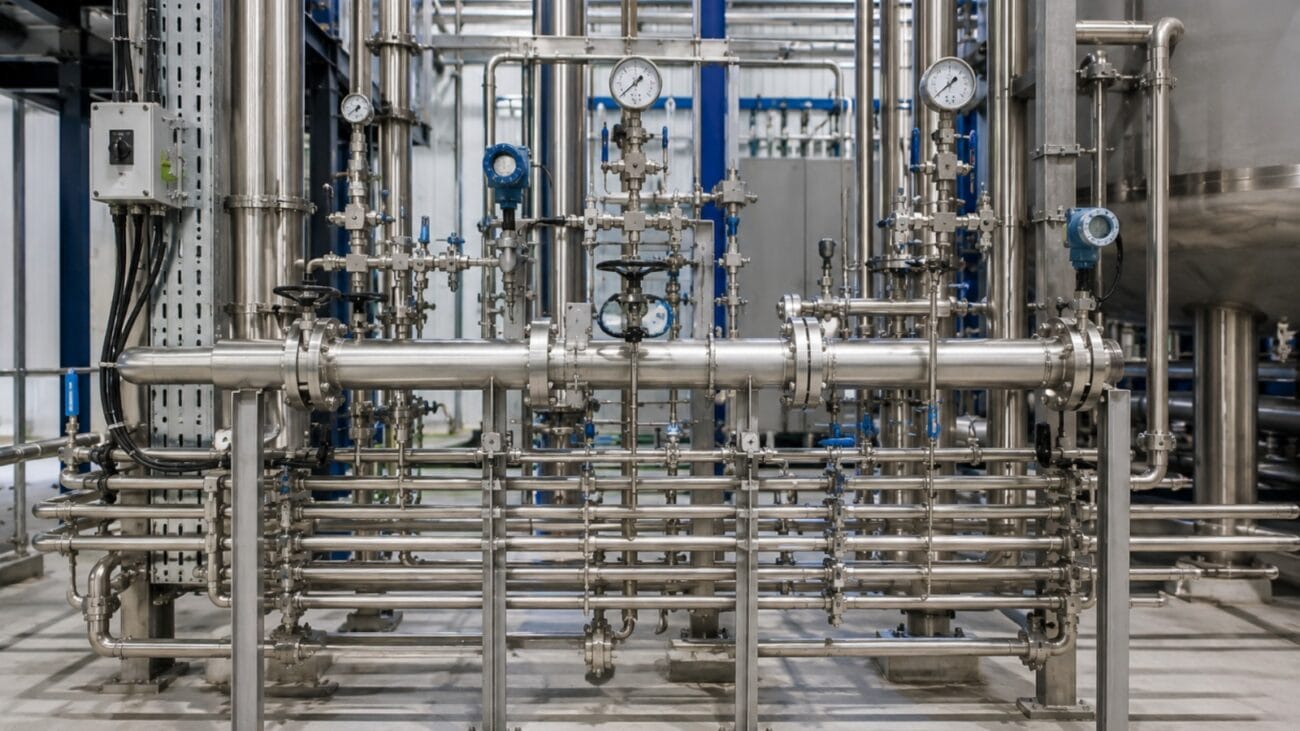
- Correct pipe sizing: Proper sizing supports the required gas flow and helps control pressure losses across the network.
- Quality joints and fittings: Reliable connections help reduce the possibility of leakage and improve system integrity.
- Proper supports: Suitable supports help maintain pipeline alignment and reduce unwanted movement or stress.
- Accessible routing: A well-planned route makes inspection, maintenance and future modifications more convenient.
Benefits of Professionally Installed Gas Piping Systems
A professionally installed gas network can provide several operational benefits for Indian industries. One of the most important is improved safety. Properly selected components and accurately executed connections can help reduce the risk associated with gas leakage.
Efficient gas piping can also support consistent gas delivery to machinery and process equipment. This is particularly valuable where gas supply pressure and flow directly influence production performance.
Another advantage is easier maintenance. A properly organised pipeline layout allows maintenance teams to identify valves, joints and sections of the network more efficiently. This can help reduce downtime during inspection or repair activities.
Safety and Quality During Gas Pipeline Installation
Safety should remain a central consideration throughout gas pipeline installation. Before work begins, the installation team should understand the system requirements, pipeline route and relevant safety procedures. Work areas should be appropriately controlled, particularly where existing gas services are present.
Pipes and components should be inspected before installation to identify visible defects or damage. Connections must be executed using suitable techniques and equipment, while the completed system should undergo appropriate inspection and testing before being placed into service.
Documentation is also valuable. Maintaining information about pipeline routes, components, valves and testing activities can support future maintenance and system management.
Four Practices That Improve Installation Reliability
- Detailed planning: Reviewing drawings, equipment locations and pipeline routes before installation helps prevent avoidable site issues.
- Component inspection: Checking pipes, valves and fittings before use supports better installation quality.
- Controlled execution: Following approved installation procedures helps maintain consistency across the project.
- Testing and inspection: Appropriate checks after installation help identify potential issues before commissioning.
Gas Piping Solutions for Indian Industrial Facilities
Indian industries operate across diverse sectors, including manufacturing, engineering, food processing, chemicals, pharmaceuticals and general industrial production. Each facility can have different gas requirements, making application-specific piping design important.
A suitable gas pipeline installation should account for the operating conditions and the layout of the facility rather than relying on a one-size-fits-all approach. Proper coordination between engineering, fabrication and site installation teams can improve project execution.
Luthra Projects focuses on industrial project solutions where dependable engineering and execution are important. Professional attention to pipeline routing, fabrication, installation and quality can help industrial facilities achieve reliable gas distribution.
How Proper Installation Supports Long-Term Performance?
The performance of a gas pipeline depends not only on the quality of the pipe but also on how the complete system is designed and installed. Incorrect alignment, unsuitable supports, poor connections or inadequate planning can create problems over time.
Professional gas piping installation takes a complete-system approach. This includes considering the source, distribution network, equipment connections, isolation points and maintenance requirements.
With appropriate engineering and installation practices, industrial facilities can create a gas distribution system designed for dependable operation and easier maintenance throughout its service life.
Choose Reliable Gas Piping for Better Industrial Performance
A dependable gas distribution network is an important investment for industrial facilities. From initial design and material selection to fabrication, installation and testing, every stage can influence the safety and performance of the completed system.
Professional gas pipeline installation can help industries establish organised, efficient and reliable gas distribution networks suited to their operational requirements. With careful engineering, quality workmanship and appropriate safety practices, businesses can support smoother operations and long-term pipeline performance.
For industrial projects in India, choosing an experienced project partner for gas piping and pipeline installation can make a significant difference in system reliability, maintenance and overall project quality.
Frequently Asked Questions About Gas Piping and Gas Pipeline Installation
What is gas piping?
Gas piping refers to a network of pipes, fittings, valves and associated components used to transport gas safely from a supply point to equipment or designated areas within a facility.
Why is professional gas pipeline installation important?
Professional gas pipeline installation helps ensure appropriate routing, connections, supports, component selection and testing, contributing to safer and more reliable gas distribution.
What factors affect gas piping design?
Pipe size, gas characteristics, operating pressure, temperature, required flow, pipeline route, material selection, fittings and maintenance requirements can all influence the design.
How can gas pipeline maintenance be improved?
Accessible pipeline routing, clear identification of valves and sections, proper documentation and scheduled inspections can make maintenance more organised and effective.
Is gas piping suitable for industrial applications?
Yes. Properly engineered gas piping systems are widely used in industrial facilities where gases need to be distributed safely and reliably to process equipment and utility systems.
Leave a comment