
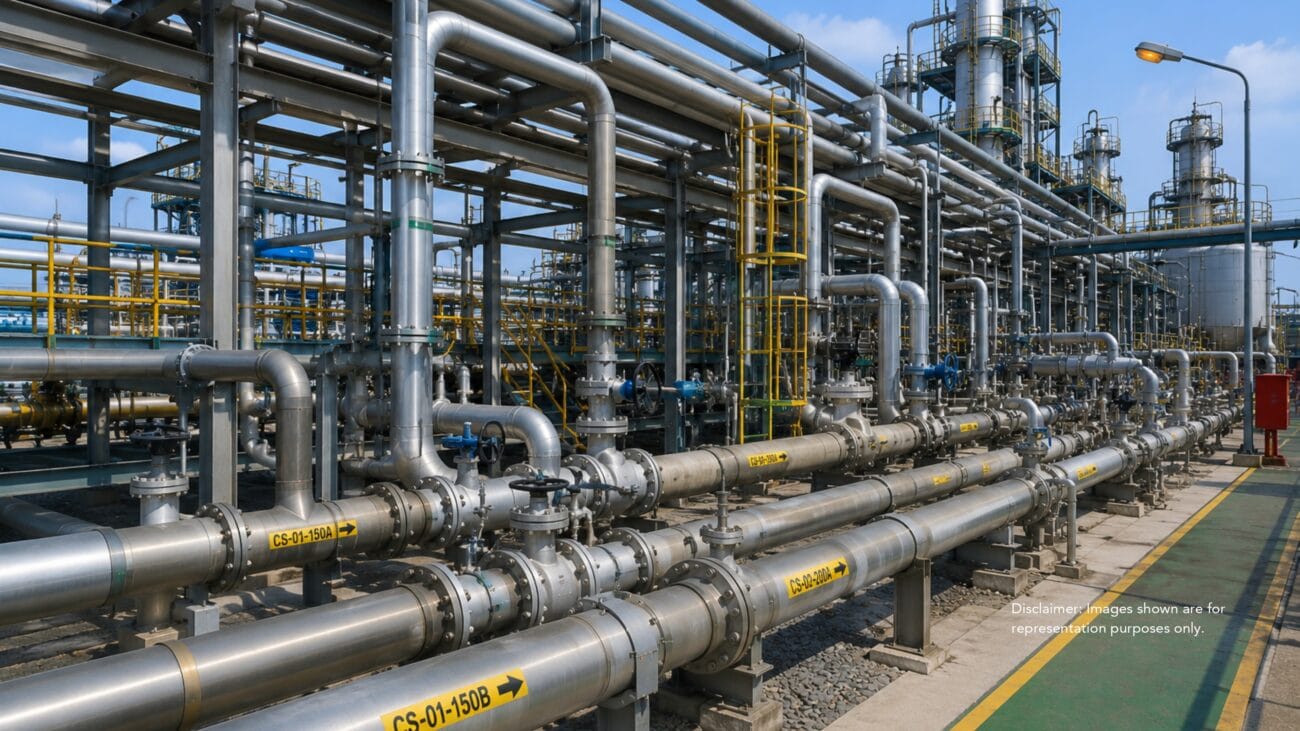
The oil and gas industry depends on accurately engineered piping systems to transport liquids, gases, chemicals, and other process materials safely. Oil & Gas piping spool fabrication is an essential part of developing reliable piping infrastructure for refineries, processing facilities, petrochemical plants, terminals, and energy projects. Precision during fabrication directly influences system performance, installation efficiency, and long-term operational reliability.
Piping spools are prefabricated sections of a piping system manufactured according to approved engineering drawings and project specifications. These sections generally include pipes, flanges, fittings, elbows, reducers, and other components assembled through controlled cutting, fitting, and welding processes. Prefabrication helps simplify complex site installation requirements while maintaining dimensional accuracy.
Professional Oil & Gas piping spool fabrication requires advanced technical expertise, qualified fabrication procedures, and strict quality management. Every component must be carefully prepared and assembled to ensure the fabricated spool matches design requirements. Accurate measurements and controlled manufacturing processes help reduce alignment issues during site installation.
Luthra Projects supports industrial requirements with a strong focus on engineering accuracy, fabrication quality, and dependable project execution. By following systematic fabrication practices, piping spools can be prepared for efficient integration into complex oil and gas piping networks while supporting project schedules and operational requirements.
Importance of Precision in Oil & Gas Piping Spool Fabrication
Precision is one of the most important factors in Oil & Gas piping spool fabrication because even minor dimensional deviations can create significant installation challenges. Incorrect pipe lengths, flange orientations, or fitting positions may result in site modifications, additional welding, and unnecessary project delays.
Fabrication based on approved isometric drawings enables teams to maintain accurate dimensions throughout the manufacturing process. Pipe cutting, edge preparation, fit-up, and welding are performed according to defined requirements. Proper identification and traceability also help ensure that fabricated spools are delivered to the correct project location.
Accurate spool fabrication can significantly reduce the amount of work required at the installation site. Instead of assembling every piping component under challenging field conditions, prefabricated spools arrive ready for installation. This approach supports better productivity and allows site teams to focus on positioning, alignment, and final connections.
Quality-focused Oil & Gas piping spool fabrication also contributes to safer industrial operations. Well-fabricated piping components are designed to withstand project-specific pressure, temperature, and process conditions. Careful manufacturing helps create dependable connections and supports the integrity of the complete piping system.
Controlled Fabrication Processes for Piping Spools
A structured fabrication process begins with a detailed review of engineering documents, material specifications, and approved drawings. Fabrication teams identify pipe sizes, materials, fittings, welding requirements, and dimensional details before production begins. Careful planning helps prevent manufacturing errors and supports efficient material utilisation.
Pipe cutting is carried out according to specified measurements, followed by edge preparation where required. Components are then positioned for fit-up while maintaining proper alignment and orientation. Skilled fabrication professionals verify dimensions before welding to ensure that each spool complies with the approved design.
Welding plays a critical role in Oil & Gas piping spool fabrication. Appropriate welding procedures must be selected based on material type and project specifications. Controlled welding practices help achieve consistent joints and reduce the risk of fabrication defects that may affect piping performance.
Inspection and quality verification are integrated throughout the fabrication process. Dimensional checks, visual inspections, and project-required testing procedures can be performed to verify workmanship. Documentation and spool identification further support organised project execution from the fabrication facility to the installation site.
Benefits of Prefabricated Piping Spools
Prefabricated piping spools provide significant advantages for oil and gas construction projects. Fabrication in a controlled environment allows better coordination of equipment, manpower, and production activities. This organised approach can improve consistency compared with completing extensive fabrication directly at a project site.
Another major advantage of Oil & Gas piping spool fabrication is reduced field installation time. Spools manufactured according to accurate drawings can be transported to the site and integrated into the piping system. This helps minimise site welding requirements and supports faster construction progress.
Controlled fabrication environments also enable better quality monitoring. Fabrication teams can inspect materials, verify dimensions, and manage welding activities systematically. Consistent quality procedures support the production of piping spools that meet technical and operational project expectations.
Prefabrication can also improve project coordination. Clearly marked and documented piping spools make it easier to plan transportation, storage, and installation sequences. Proper spool management helps site teams identify required sections and install them according to planned construction schedules.
Oil & Gas Piping Spool Fabrication for Complex Applications
Oil and gas projects often involve complex piping arrangements designed for different process conditions. Oil & Gas piping spool fabrication can support refinery piping, process piping, utility systems, petrochemical facilities, and other demanding industrial applications. Each spool is manufactured according to specific engineering requirements.
Different piping materials may be required depending on operating conditions and process media. Fabrication teams must understand material handling, welding requirements, and project specifications to maintain quality. Proper segregation and identification of materials are essential throughout the fabrication workflow.
Complex piping configurations may include multiple elbows, reducers, branches, flanges, and specialised fittings. Accurate fit-up is essential to maintain the required geometry of each spool. Experienced fabrication professionals use engineering drawings and measurement controls to achieve accurate component positioning.
Luthra Projects focuses on dependable fabrication solutions for industrial project requirements. A systematic approach to planning, manufacturing, inspection, and documentation supports the production of accurately fabricated piping spools suitable for challenging oil and gas environments.
Quality and Safety in Piping Spool Fabrication
Quality management is essential throughout Oil & Gas piping spool fabrication. From material verification to final inspection, each fabrication stage requires careful control. Defined procedures help ensure consistency and allow project teams to maintain proper documentation for fabricated components.
Safety is equally important within fabrication operations. Cutting, grinding, welding, lifting, and material handling activities require appropriate safety procedures. A disciplined working environment helps protect fabrication personnel while supporting efficient and organised production activities.
Inspection processes help identify dimensional or workmanship concerns before piping spools are dispatched to the project site. Early identification of fabrication issues can reduce expensive field modifications. Thorough verification supports smoother installation and better coordination between fabrication and construction teams.
Reliable Oil & Gas piping spool fabrication combines engineering understanding, skilled workmanship, quality control, and project coordination. Luthra Projects aims to support industrial piping requirements through precision-focused fabrication practices designed for efficient project execution and dependable piping infrastructure.
FAQs About Oil & Gas Piping Spool Fabrication
- What is Oil & Gas piping spool fabrication?
Oil & Gas piping spool fabrication is the process of prefabricating pipe sections with fittings, flanges, and other components according to approved engineering drawings before site installation.
- Why are piping spools prefabricated?
Prefabrication improves dimensional control, reduces field fabrication requirements, supports quality management, and helps accelerate piping installation at industrial project sites.
- What components are included in a piping spool?
A piping spool may include pipes, elbows, tees, reducers, flanges, branches, and other piping fittings based on the approved piping design.
- Why is dimensional accuracy important in spool fabrication?
Accurate dimensions help piping spools align correctly during installation and reduce the need for site modifications, additional cutting, or corrective welding.
- How does spool fabrication improve project efficiency?
Fabricating piping sections in a controlled environment allows organised production and reduces extensive assembly work at the construction site.
- Is quality inspection required during fabrication?
Yes. Inspection and dimensional verification are important for checking fabrication workmanship and ensuring compliance with defined project requirements.
- What industries use piping spool fabrication?
Piping spool fabrication is widely used in oil and gas, petrochemical, refinery, energy, process, and other heavy industrial projects.
- Why choose Luthra Projects for piping fabrication requirements?
Luthra Projects focuses on precision, systematic fabrication practices, quality management, and dependable execution for industrial piping project requirements.
Conclusion
Professional Oil & Gas piping spool fabrication is vital for developing accurate, reliable, and installation-ready piping systems. Controlled fabrication, skilled workmanship, dimensional verification, and quality-focused processes help improve construction efficiency while reducing unnecessary site modifications.
Luthra Projects supports industrial piping requirements with an emphasis on precision and organised project execution. For oil and gas projects requiring dependable piping spool fabrication, a professionally managed fabrication approach can contribute to smoother installation, efficient construction, and long-term piping system performance.
Leave a comment