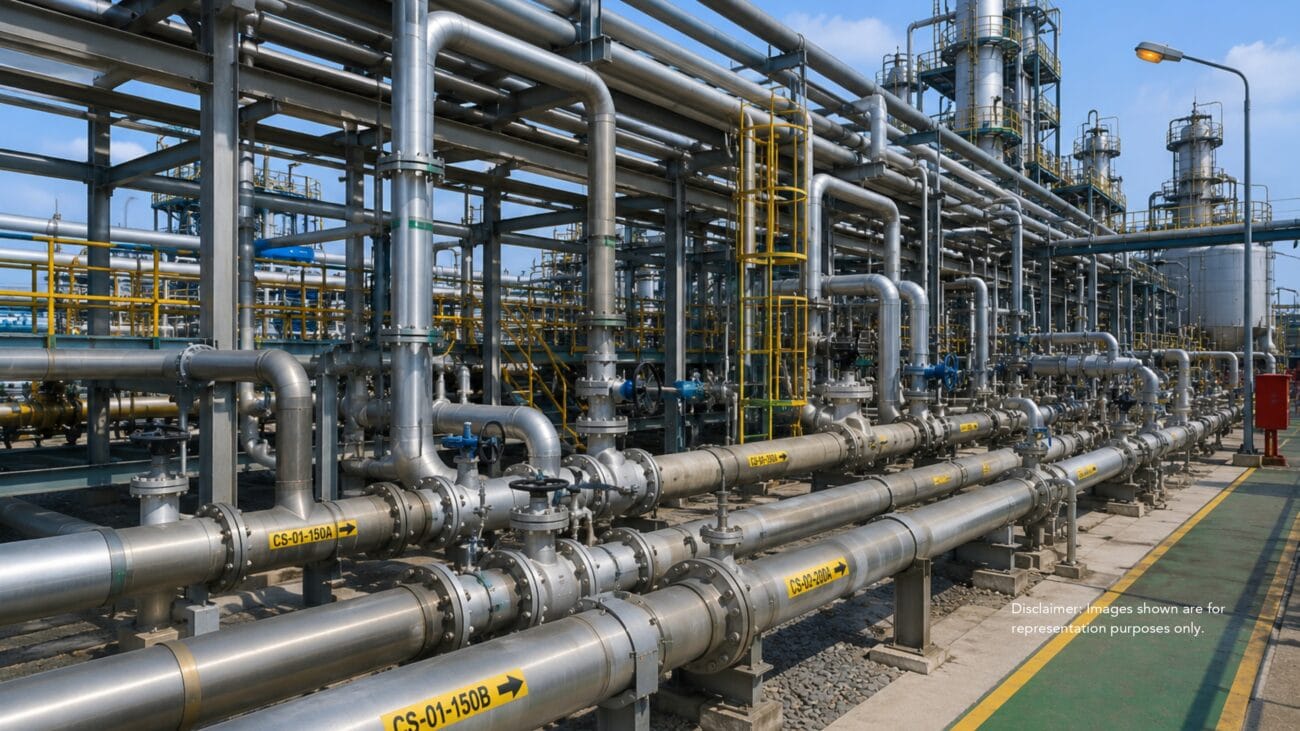
Modern industries depend on reliable gas piping systems to ensure the uninterrupted flow of gases required for manufacturing, processing, heating, and various industrial applications. A professionally designed gas piping network enhances operational efficiency while maintaining the highest standards of workplace safety. Whether it is a manufacturing plant, pharmaceutical facility, food processing unit, or engineering workshop, the quality of the gas distribution system directly impacts productivity and compliance.
A well-planned gas piping system minimizes leakage risks, reduces maintenance costs, and ensures consistent gas pressure throughout the facility. Every industrial setup has unique requirements, making customized design and installation essential for achieving maximum performance and long-term reliability.
Luthra Projects specializes in delivering advanced gas piping solutions that meet industry standards while focusing on safety, durability, and operational excellence. With extensive experience in industrial utility systems, the company provides dependable installations tailored to diverse industrial environments.
Choosing an experienced engineering partner ensures that every stage, from planning and material selection to installation and testing, is completed with precision. This approach guarantees a secure and efficient gas distribution network that supports uninterrupted industrial operations.
Why Professional Gas Piping Installation Matters?
Industrial gases often operate under varying pressure levels, making precision engineering an essential part of every gas piping installation. Proper system design prevents pressure loss, ensures smooth gas flow, and enhances equipment performance across the entire facility.
A professionally installed gas piping network significantly reduces the chances of gas leakage and equipment malfunction. Advanced welding techniques, high-quality pipes, secure fittings, and accurate routing contribute to a safer working environment for employees and production systems alike.
Compliance with industrial safety regulations is another critical factor. Professional installation ensures that every component follows recognized engineering standards, helping organizations avoid operational disruptions and regulatory issues.
Long-term operational savings also result from investing in a high-quality gas piping system. Efficient pipelines require less maintenance, experience fewer breakdowns, and provide greater reliability throughout their service life.
Key Features of High-Quality Gas Piping Systems
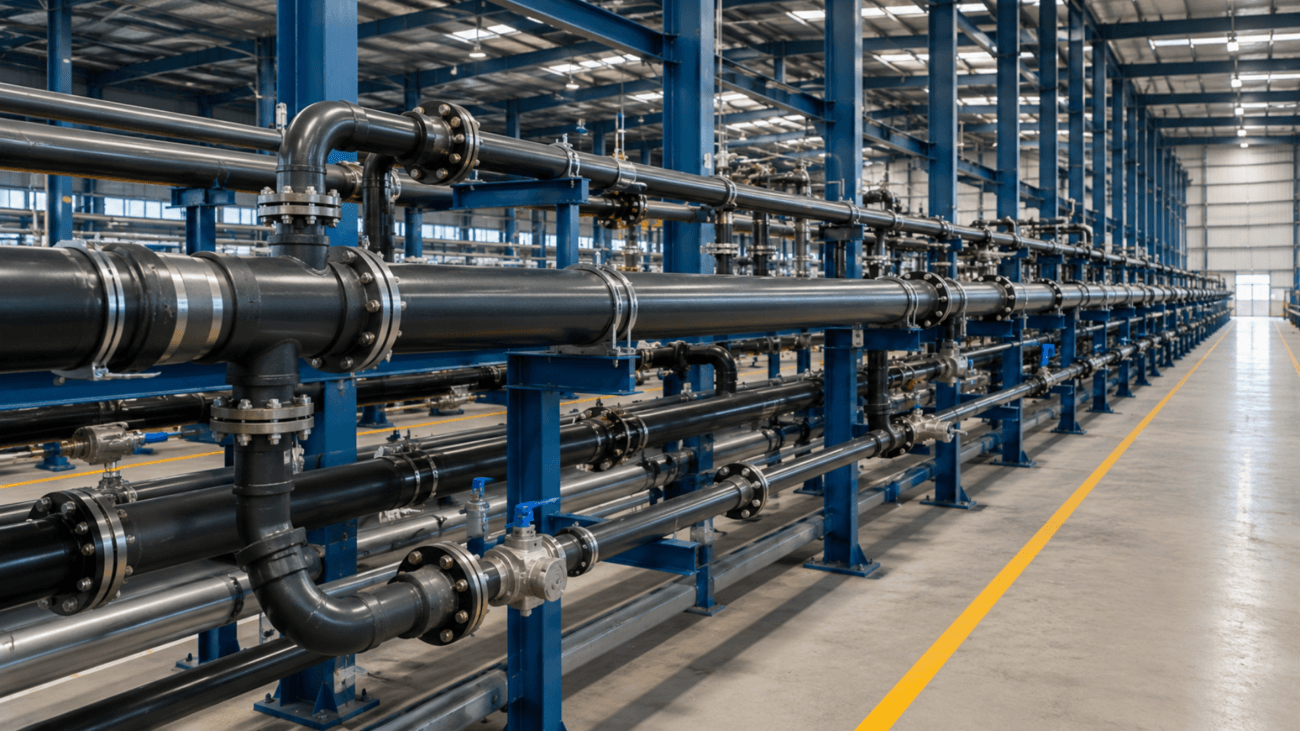
A dependable gas piping system begins with selecting premium materials capable of handling pressure variations and demanding industrial conditions. Stainless steel, carbon steel, and specialized piping materials are chosen based on application requirements and gas compatibility.
Accurate pipeline layout ensures smooth gas distribution while minimizing unnecessary bends and pressure drops. Strategic routing improves efficiency and simplifies future maintenance activities without interrupting production processes.
Modern gas piping installations incorporate advanced valves, pressure regulators, safety devices, and monitoring systems. These components help maintain stable operating conditions while allowing quick isolation during maintenance or emergencies.
Leak testing, pressure testing, and quality inspections are performed before commissioning the system. Comprehensive testing verifies system integrity and ensures reliable performance under real operating conditions.
Industries That Benefit from Gas Piping
Manufacturing industries rely on gas piping for various production processes, including cutting, welding, heating, and equipment operation. Reliable gas supply directly contributes to production consistency and operational efficiency.
Pharmaceutical companies require clean and accurately controlled gas piping systems to maintain strict quality standards during manufacturing. Proper installation ensures contamination-free gas delivery throughout sensitive production environments.
Food and beverage processing facilities depend on specialized gas piping for heating, packaging, preservation, and production processes. Hygienic installation practices and high-quality materials help maintain food safety and operational efficiency.
Engineering workshops, automotive industries, laboratories, chemical plants, and power generation facilities also utilize advanced gas piping systems for multiple industrial applications where safety and reliability remain top priorities.
Safety Standards in Gas Piping Installation
Safety is the foundation of every successful gas piping project. Thorough planning identifies potential risks before installation begins, ensuring the pipeline layout meets operational and safety requirements.
Certified materials, precision fabrication, and qualified installation professionals contribute to the long-term integrity of the gas piping system. Every connection is carefully inspected to eliminate potential leak points.
Routine inspections and preventive maintenance further improve system reliability. Scheduled servicing helps detect wear, corrosion, or component deterioration before these issues affect production or safety.
Emergency shut-off systems, pressure monitoring equipment, and leak detection technologies provide additional layers of protection, allowing industries to maintain safe working environments while minimizing operational risks.
Why Choose Luthra Projects for Gas Piping?
Luthra Projects combines engineering expertise with industry knowledge to deliver reliable gas piping solutions tailored to industrial requirements. Every project is carefully planned to maximize safety, efficiency, and long-term performance.
The company focuses on delivering customized piping systems designed according to client-specific operational needs. Each installation undergoes rigorous quality inspections before final commissioning to ensure dependable operation.
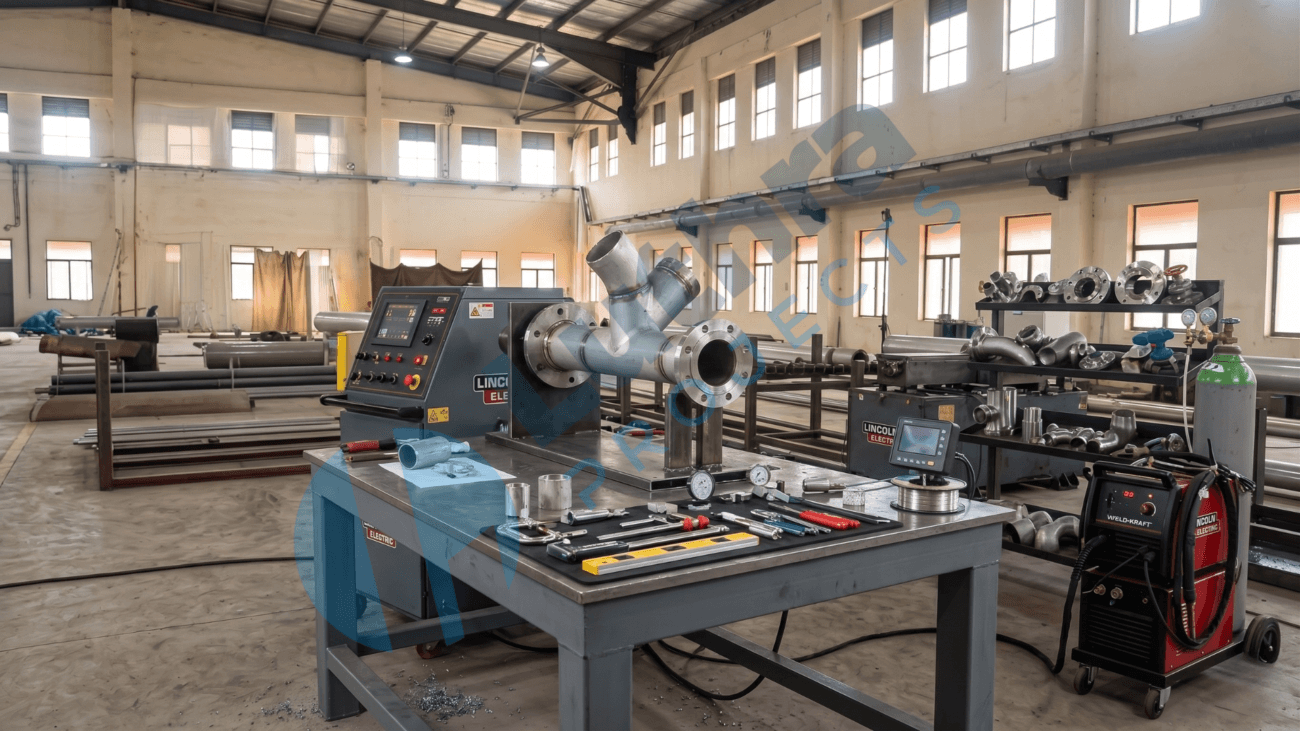
Experienced engineers utilize modern equipment and proven installation techniques to provide high-quality gas piping systems capable of supporting demanding industrial environments. Attention to detail at every stage ensures excellent workmanship and long-lasting results.
From consultation and design to installation, testing, and maintenance support, Luthra Projects provides complete industrial gas piping solutions that help businesses improve productivity while maintaining the highest safety standards.
Conclusion
An efficient gas piping system is a critical investment for industries seeking safe, reliable, and uninterrupted operations. High-quality engineering, premium materials, and professional installation contribute significantly to operational efficiency and workplace safety.
Choosing an experienced partner like Luthra Projects ensures every gas piping project meets industry standards while delivering exceptional performance and long-term value. With customized solutions and a commitment to engineering excellence, businesses can confidently build robust gas distribution networks that support future growth and operational success.
Frequently Asked Questions (FAQs)
1. What is gas piping?
Gas piping is a network of pipes designed to safely transport industrial or commercial gases from the source to various equipment and applications.
2. Which industries require gas piping?
Manufacturing, pharmaceuticals, food processing, automotive, engineering, chemical plants, laboratories, and power generation industries commonly require gas piping systems.
3. Why is professional installation important?
Professional installation ensures safety, regulatory compliance, leak prevention, proper pressure management, and long-term operational reliability.
4. What materials are commonly used in gas piping?
Common materials include stainless steel, carbon steel, copper, and specialized alloy piping depending on the application and gas type.
5. How often should gas piping systems be inspected?
Regular inspections should be conducted according to industry standards and maintenance schedules to ensure safe and efficient operation.
6. Can gas piping systems be customized?
Yes. Every industrial facility has unique requirements, and systems can be designed to meet specific operational needs.
7. How is leakage prevented?
Leak prevention involves quality materials, precision welding, secure fittings, pressure testing, and regular maintenance.
8. Does gas piping improve operational efficiency?
Yes. Properly designed systems provide stable gas flow, reduce downtime, minimize maintenance costs, and improve equipment performance.
9. What safety features are included?
Safety features include pressure regulators, shut-off valves, leak detection systems, emergency isolation valves, and pressure monitoring devices.
10. Why choose Luthra Projects?
Luthra Projects delivers customized gas piping solutions with expert engineering, quality workmanship, safety compliance, and comprehensive project support.
Leave a comment