
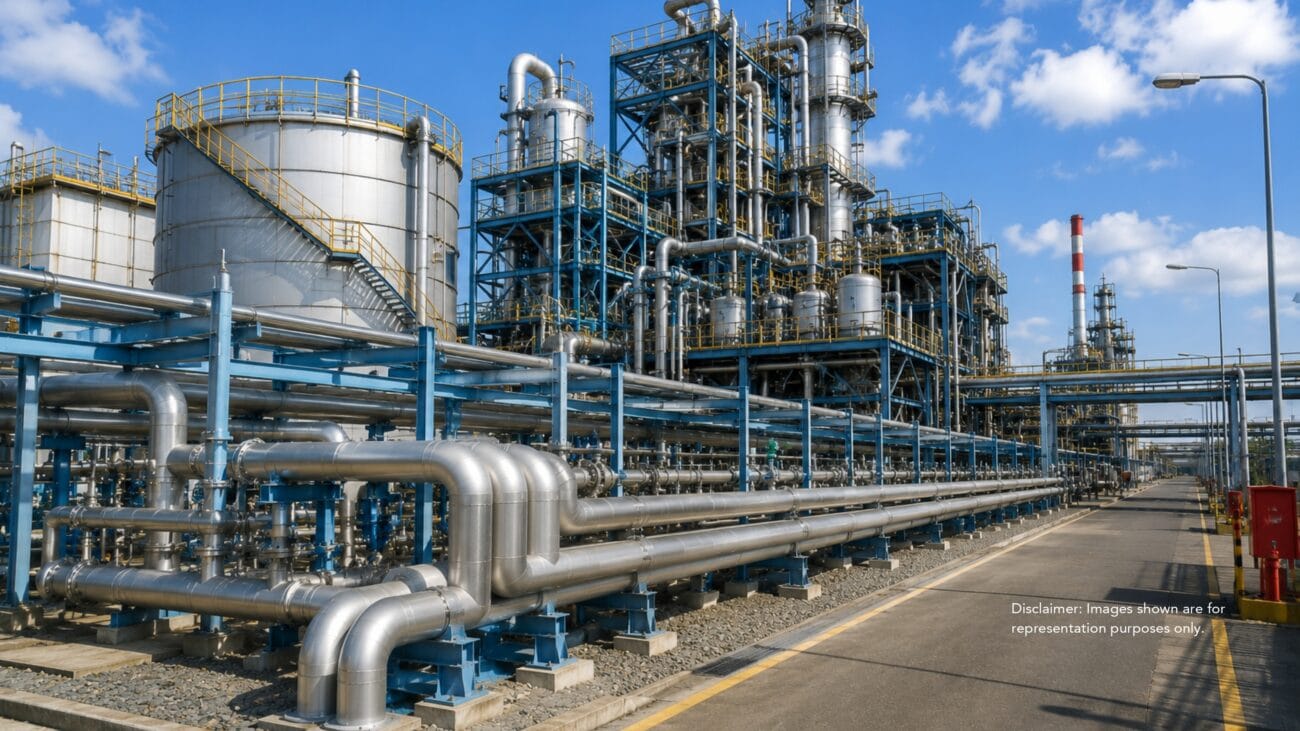
Understanding Oil & Gas Piping Spool Fabrication
The oil and gas industry requires highly reliable piping systems for transporting fuel, gases, chemicals, steam, and other process materials. Oil & Gas piping spool fabrication is an important part of developing these systems because it allows individual piping sections to be manufactured, assembled, inspected, and prepared before installation at the project site.
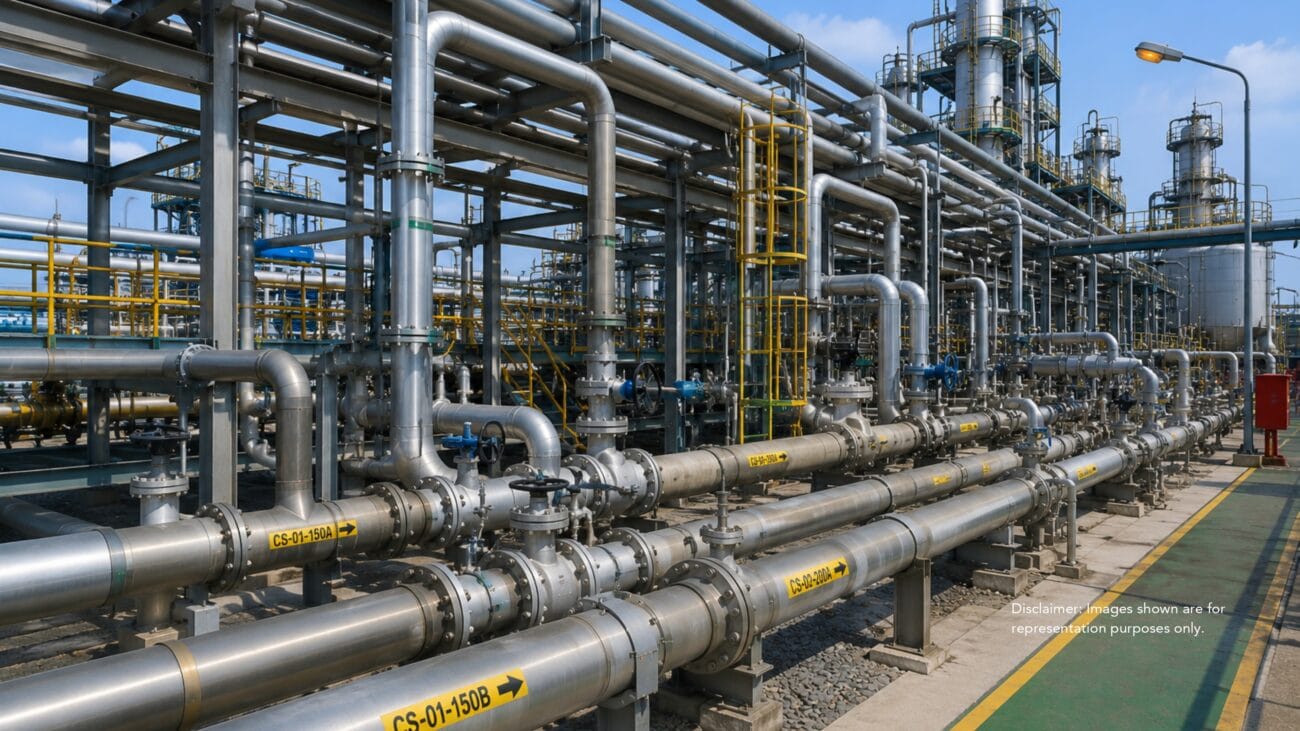
A piping spool generally consists of pipes, elbows, tees, reducers, flanges, branches, and other fittings assembled according to approved engineering drawings. Instead of completing extensive cutting, fitting, and welding at the construction site, these activities can be performed in a controlled fabrication environment.
Professional Oil & Gas piping spool fabrication requires dimensional accuracy, skilled welding, appropriate material selection, inspection, and systematic documentation. When fabricated correctly, piping spools can simplify site installation and help reduce unnecessary modifications.
Luthra Projects provides industrial piping and oil & gas piping solutions in India, with capabilities covering fabrication, installation, testing, and project execution for demanding industrial applications.
Why Piping Spool Fabrication Matters in Oil & Gas Projects?
Oil and gas facilities operate under demanding conditions where piping systems may be exposed to high pressures, temperature variations, corrosive substances, and hazardous materials. This makes precision and reliability essential during every stage of piping fabrication.
Oil & Gas piping spool fabrication helps shift a significant amount of fabrication work from the project site to a controlled workshop environment. This can improve production coordination and allow fabrication activities to be completed using dedicated equipment and inspection procedures.
Accurate prefabrication can also reduce the amount of field welding and fitting required during installation. When spools are manufactured according to approved drawings and dimensions, installation teams can focus on positioning, alignment, and final connections.
For large-scale refineries, petrochemical facilities, gas processing plants, terminals, and other energy infrastructure, this approach can contribute to better project scheduling, improved productivity, and reduced rework.
Key Stages of Oil & Gas Piping Spool Fabrication
A successful Oil & Gas piping spool fabrication process begins with engineering drawings and project specifications. Fabricators review spool dimensions, material requirements, connection details, and component positioning before production begins.
The next stages generally include material identification, pipe cutting, edge preparation, fitting, alignment, welding, dimensional inspection, and final preparation. Each activity needs to be performed carefully because even a small dimensional deviation can create difficulties during installation.
Welding quality is particularly important for oil and gas piping systems. Depending on project requirements, appropriate welding procedures, qualified personnel, inspection methods, and documentation are used to maintain fabrication quality and piping integrity.
Before dispatch, fabricated spools may undergo dimensional verification, visual inspection, and project-specified testing or non-destructive examination. Proper identification and documentation help ensure that each spool reaches the correct installation location and can be efficiently integrated into the overall piping network.
Benefits of Professional Oil & Gas Piping Spool Fabrication
Professional Oil & Gas piping spool fabrication offers several practical advantages for industrial construction projects. Controlled workshop fabrication provides better conditions for accurate measurement, component alignment, welding, and inspection.
One major benefit is reduced site installation time. Pre-fabricated spools can be transported to the project location and installed with less extensive field fabrication. This can help construction teams maintain progress on complex piping projects.
Another advantage is improved quality control. Fabrication facilities can establish systematic inspection procedures and maintain better control over materials, tools, welding activities, and dimensional checks.
Safety can also benefit from prefabrication. Reducing extensive hot work and fabrication activities at an active oil and gas construction site may help limit certain field risks. A structured fabrication process therefore supports efficiency, quality, safety, and more predictable project execution.
Materials Used for Oil & Gas Piping Spools
Material selection is an important consideration in Oil & Gas piping spool fabrication. The appropriate material depends on operating pressure, temperature, fluid characteristics, corrosion conditions, and project engineering specifications.
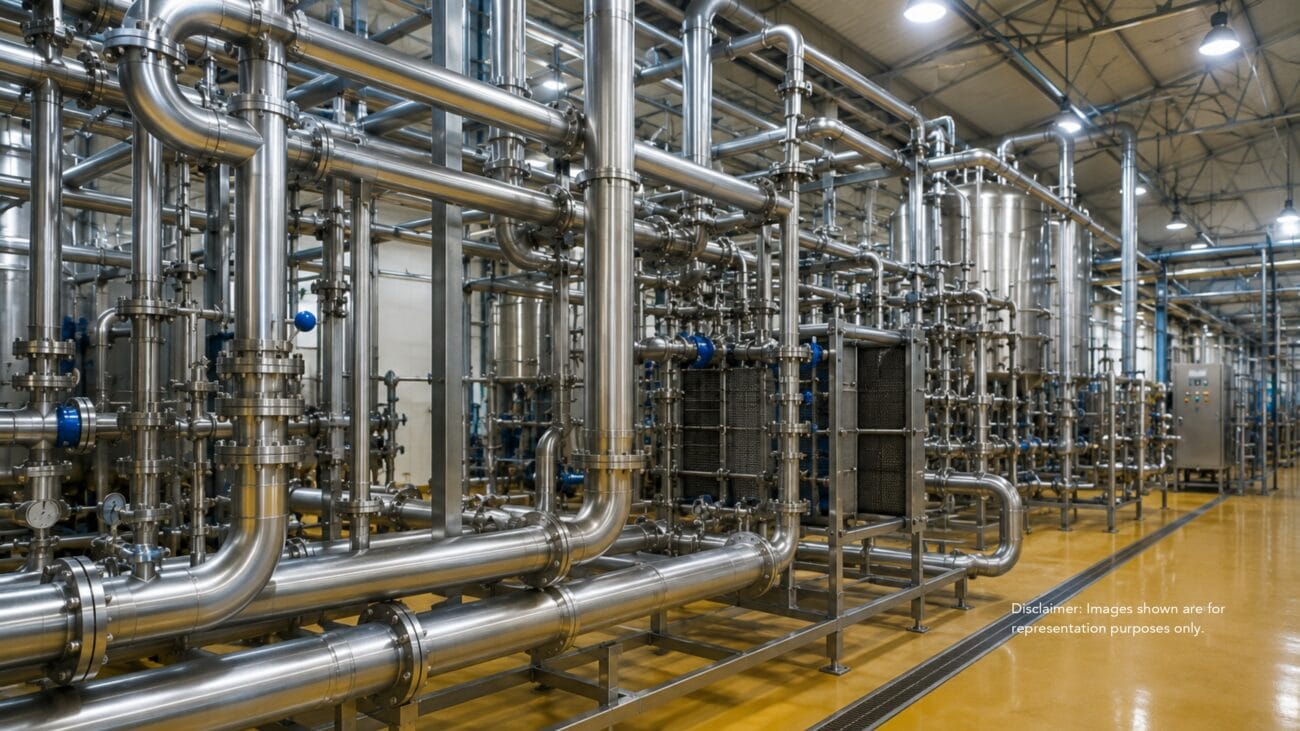
Carbon steel is widely used for many industrial piping applications because of its strength and suitability for numerous process and utility services. Stainless steel can be selected for applications where enhanced corrosion resistance or specific process requirements are important.
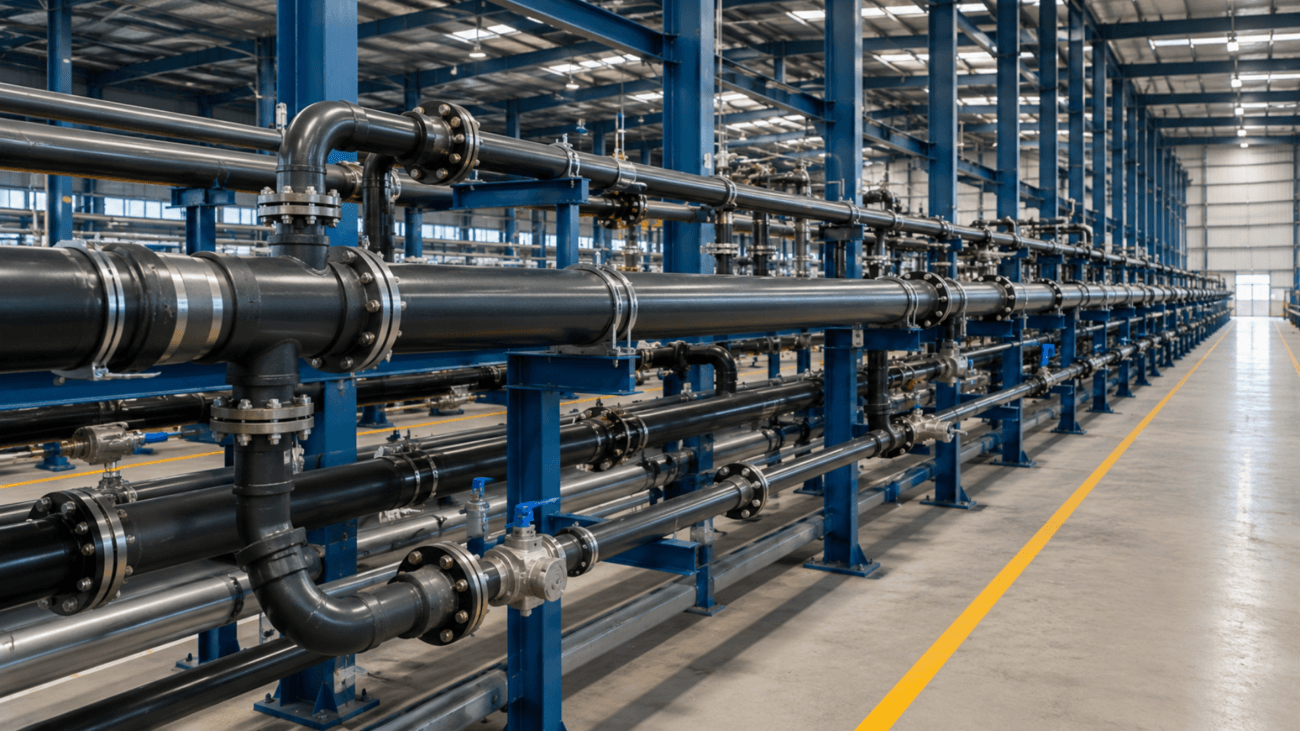
Luthra Projects’ oil and gas piping solutions include carbon steel and stainless steel options, including stainless steel grades such as SS 304 and SS 316 for appropriate applications. HDPE and MDPE are also used for selected gas distribution requirements.
Choosing the correct material is only one part of successful fabrication. Proper material identification, handling, storage, welding practices, and inspection are also important to maintaining the required quality throughout the manufacturing process.
Applications of Oil & Gas Piping Spool Fabrication
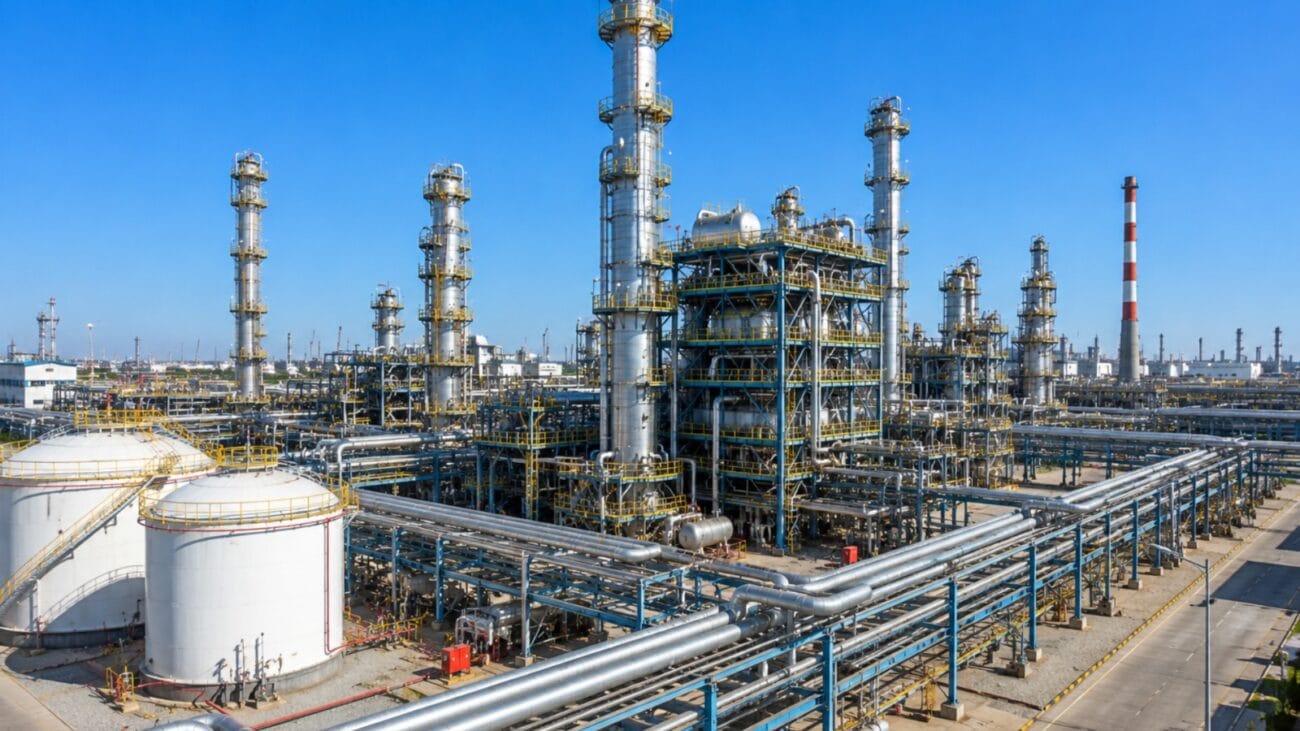
Oil & Gas piping spool fabrication can support a wide range of applications throughout the energy sector. Fabricated piping systems are used in refineries, petrochemical facilities, gas processing plants, storage facilities, terminals, and industrial utility networks.
Typical applications include fuel oil piping, natural gas distribution, lube oil transfer systems, instrument air networks, steam and water utility lines, gas manifolds, diesel generator fuel piping, and pump or compressor skid interconnections.
Piping spools are particularly valuable where complex configurations involve numerous fittings, branches, flanges, valves, and equipment connections. Prefabricating these assemblies helps simplify the installation process and can improve coordination between fabrication and construction teams.
With experience in specialized oil and gas piping utilities, Luthra Projects supports industrial requirements across India with a focus on engineering, fabrication, installation, testing, safety, and project execution.
Why Choose Luthra Projects for Piping Spool Fabrication?
Selecting an experienced fabrication partner is essential when working on critical oil and gas infrastructure. Luthra Projects focuses on providing industrial piping solutions designed around project-specific technical and operational requirements.
Its oil and gas piping capabilities include turnkey execution, specialized utility and process piping, fabrication, installation, testing, and commissioning. The company also highlights compliance with industry requirements including ASME, API, and IBR standards for relevant applications.
A structured approach to engineering and fabrication can help clients achieve accurate piping assemblies while supporting installation efficiency. Quality-focused fabrication practices also help identify potential issues before spools reach the project site.
For organizations seeking Oil & Gas piping spool fabrication services in India, working with an experienced industrial piping contractor can provide valuable support from fabrication planning through installation and commissioning.
Conclusion
Reliable Oil & Gas piping spool fabrication is essential for developing safe, accurate, and efficient piping infrastructure. Prefabricating piping assemblies in a controlled environment can improve quality management, reduce field work, support faster installation, and help maintain project schedules.
Luthra Projects provides specialized oil and gas piping and industrial fabrication solutions in India, supporting projects with engineering-focused execution, quality practices, testing, installation, and commissioning capabilities. For demanding oil and gas applications, professionally fabricated piping spools can provide the precision and reliability required for long-term industrial performance.
FAQs About Oil & Gas Piping Spool Fabrication
What is Oil & Gas piping spool fabrication?
Oil & Gas piping spool fabrication is the process of manufacturing prefabricated sections of piping using pipes, fittings, flanges, and other components according to approved engineering drawings and project specifications.
What are the benefits of piping spool fabrication?
Piping spool fabrication can reduce field fabrication, improve dimensional accuracy, support quality control, reduce installation time, and help streamline large industrial construction projects.
Which materials are used for oil and gas piping spools?
Depending on project requirements, materials can include carbon steel, stainless steel, and selected plastic piping materials such as HDPE or MDPE for suitable applications.
Why is dimensional accuracy important?
Accurate dimensions help piping spools align correctly with other piping sections and equipment. Better accuracy can reduce site modifications, rework, and installation delays.
Where are piping spools used?
Piping spools are used across refineries, petrochemical plants, gas processing facilities, terminals, storage systems, energy projects, and industrial utility networks.
Leave a comment